DeepL yöneticilerinin 2026 için yapay zeka öngörüleri
Önemli Noktalar
- 2026'da, işletmeler yapay zeka pilot uygulamalarından dönüşüme geçecek ve ajans yapay zeka iş akışlarını koordine ederek gerçek iş sonuçları elde edecek.
- 5.000'den fazla liderle yapılan DeepL araştırması, yapay zekanın ROI'sinin arttığını ve büyüme açısından diğer tüm teknolojileri geride bırakacağına dair beklentilerin olduğunu gösteriyor.
- Yöneticiler, yapay zekanın tüm işlevleri otomatikleştirmesini, araçları birleştirmesini ve insanları daha yüksek değerli yaratıcı ve stratejik işler için serbest bırakmasını bekliyor.
- Ajan yapay zeka, kişiselleştirme, verimlilik ve müşteri sonuçlarını artırmak için nano hedefli pazarlamadan yasal iş akışlarına kadar tüm alanlarda yaygınlaşır.
- Yapay zeka olgunlaştıkça, üretkenlik, güvenlik ve açıklanabilirlik, yenilikçiliğin yerini referans noktaları olarak alıyor ve sorunsuz, sorumlu entegrasyonu rekabet açısından bir zorunluluk haline getiriyor.
- DeepL’nin dil yapay zekası, işletmelerin küresel iş akışlarını ölçeklendirip otomatikleştirirken ihtiyaç duydukları doğru, uyumlu ve marka ile uyumlu iletişim temelini sağlıyor.
Kuruluşlar, 2025'te gerçek değer sunabilecek yapay zeka uygulamalarını aramaya ciddi bir şekilde başladı. 2026'da, öğrendiklerini gerçek bir dönüşümü sağlamak için kullanıyorlar.
İş dünyası liderleri, etkin yapay zekanın gücünü ve potansiyelini keşfediyor. İş akışlarını ve iş süreçlerini nasıl dönüştürebileceğini görüyor, nelerin mümkün olduğunu yeniden hayal ediyor ve yapay zekayı birincil büyüme motoru haline getiriyorlar.
DeepL araştırması, uzmanlaşmış ve ajansal yapay zeka yönünde büyük bir kayma olduğunu ortaya koyuyor
Yapay zekanın 2026'da nereye doğru gittiğine dair tahminlerimizi desteklemek için DeepL, ABD, İngiltere, Fransa, Almanya ve Japonya'dan 5.000'den fazla üst düzey iş lideriyle kapsamlı bir araştırma yürüttü. İşte bulgularımız:
- Liderlerin %25'i, eylemsel yapay zekanın işlerinde şimdiden büyük bir dönüşüm yarattığını söylüyor.
- %44'ü ise 2026'da böyle olacağını bekliyor.
- İş liderlerinin yalnızca %7'si, yapay zeka ajanlarının operasyonlarını değiştirmeyeceğini düşünüyor; bu da dönüşümün boyutunu vurguluyor.
Ajan yapay zeka, iş akışlarını koordine eder ve kuruluşların yapay zeka ve diğer araçlardan daha fazla fayda sağlamasına yardımcı olur. Liderler bunu uygulamada gördükçe, dönüşümü yönlendirebileceklerine ve ölçülebilir ROI elde edebileceklerine olan güvenleri artıyor.
Toplamda, ankete katılanların %67'si bu yıl yapay zeka girişimlerinden elde ettikleri ROI'nin arttığını bildiriyor. Yarısından fazlası (%52) gelecek yıl yapay zekanın şirketin büyümesine diğer teknolojilerden daha fazla katkı sağlayacağını bekliyor.
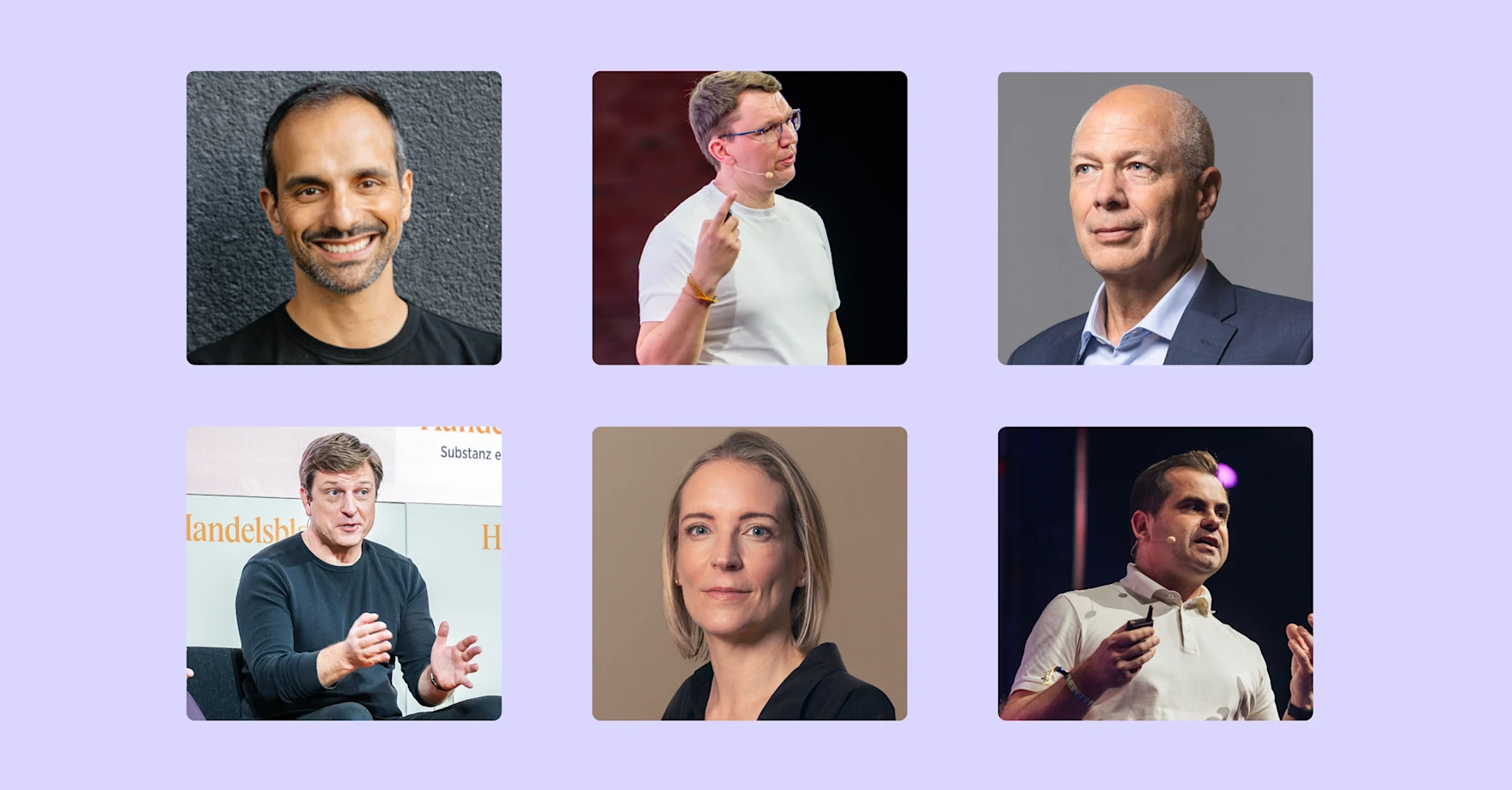
Dil yapay zekası, ses ve ajan yapay zeka inovasyonu ve geliştirmesinin ön saflarından DeepL liderlerinin, 2026 yılında yapay zekanın iş dünyasını nasıl dönüştüreceği ve insan potansiyelini nasıl ortaya çıkaracağına dair tahminleri şöyle.
Yapay zeka, iş fonksiyonlarını otomatikleştirerek insan potansiyelini ortaya çıkarır: Jarek Kutylowski, CEO
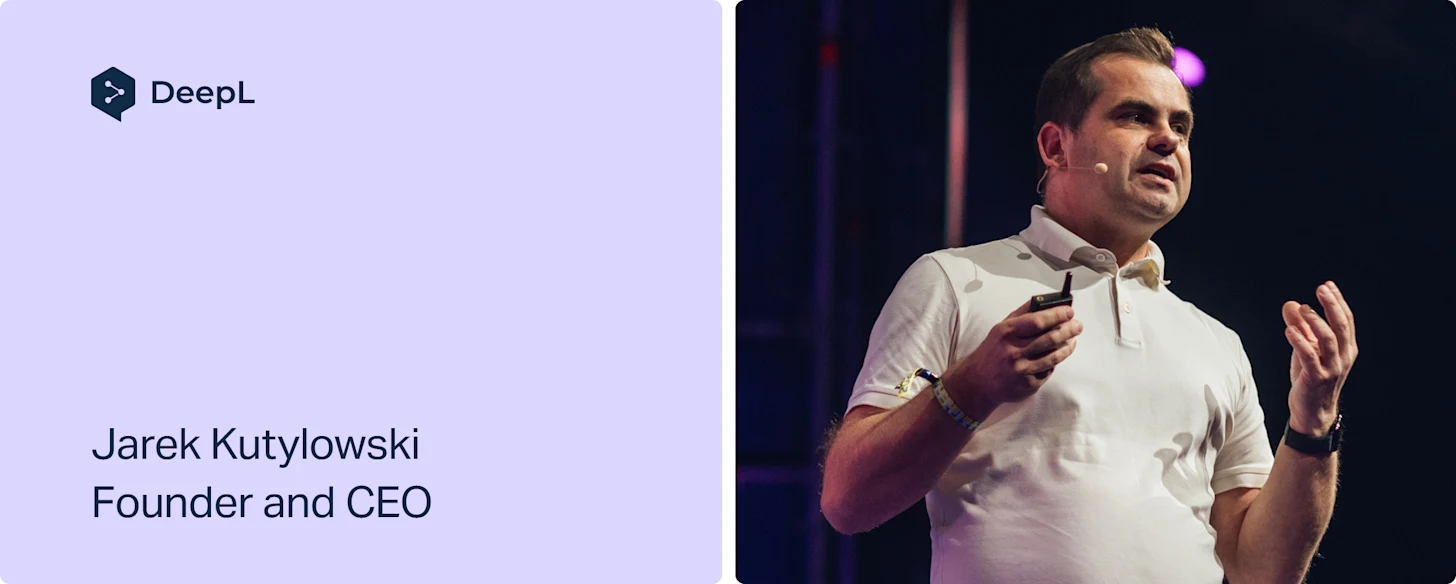
Temel içgörü: Yapay zeka, parçalı bir araçtan, tüm iş fonksiyonlarını otomatikleştiren ve insanları yaratıcı problem çözme için serbest bırakan birleşik bir sisteme dönüşüyor.
“2025, yapay zekanın kavram kanıtlamadan uygulamaya geçtiği yıldı. 2026'da, yapay zeka sayesinde şirketlerin belirli iş fonksiyonlarını tamamen otomatikleştirmesiyle daha da ileriye gideceğimize inanıyorum.
Araçların daha az parçalı hale gelmesi ve ajan yapay zekanın zahmetli işlevleri devralabilmesi sayesinde, daha önce zaman alan görevlerin yükünden kurtulacağız. Tekrarlayan işlerin azalması, biz insanların gerçekten üstün olduğumuz şeye odaklanmamızı sağlayacak: yaratıcılık ve azimle karmaşık sorunları çözmek.
Avrupa perspektifinden bakıldığında, teknolojik egemenlik verilerin nerede bulunduğundan daha fazlasını ifade eder. Teknolojik egemenlik, teknik bilgi birikimine ve modellere sahip olmak ve bunları temel alan işler yaratmaktır.
2026 yılının, yapay zeka altyapısına daha iyi erişim, çalışanlar için hisse senedi opsiyon kurallarında reform ve teknolojiye yatırım ile bölgede yapay zeka teknolojisinin büyümesine olanak tanıyan bir yıl olması gerekiyor. Ayrıca, bölgesel olarak kendimize olan inancımızda daha cesur olmalıyız. Yapay zeka alanında rekabet edebiliriz ve edeceğiz.”
Kurumsal ölçekte ajan kullanımı erken çoğunluğa ulaştı: Stefan Andresen, Baş Bilim İnsanı
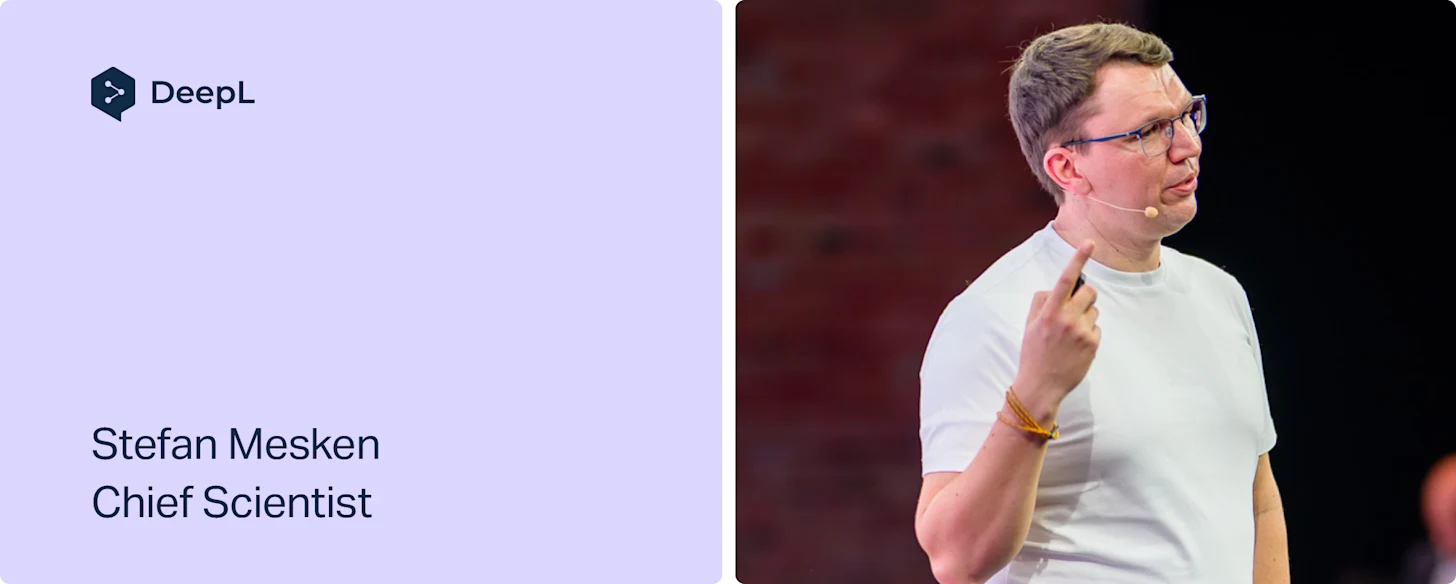
Temel içgörü: Kuruluşlar, operasyonları verimli hale getirmek ve karar verme sürecini geliştirmek amacıyla sanal iş arkadaşlarını entegre ettikçe, ajan tabanlı yapay zeka “yenilikçi” aşamasını geride bırakıyor.
“2026, şüphesiz ajanın yılı olacak. Ajanların neler yapabileceğine dair kamuoyundaki farkındalık 2025'te artmış olacak, ancak kurumsal ölçekte benimseme Yeni Yıl'da gerçekleşecek. Teknoloji benimseme eğrisinde, yenilikçilerden erken çoğunluğa doğru önemli bir geçiş göreceğiz.
Müşterilerimizle yaptığımız görüşmelerden, kuruluşların operasyonları kolaylaştırmak ve karar alma süreçlerini geliştirmek için sanal iş arkadaşlarına giderek daha fazla güveneceklerini biliyoruz. Ayrıca, yapay zeka çözümlerini seçme şekillerinde de bir değişim göreceğiz.
Daha işbirlikçi bir yaklaşım benimsenecek; her ekip, kendi gereksinimlerine en uygun araçları seçecek ve çözümleri kendileri test edecek. Yaygın entegrasyon, daha verimli iş akışlarına yol açacak ve ekiplerin rutin görevler yerine stratejik girişimlere ve karmaşık konulara odaklanmalarını sağlayacaktır.
Erken benimseyenlerin değerini kanıtlaması ve daha geniş bir kabul görmesini teşvik etmesiyle bir dalga etkisi olacağını öngörüyorum. Bu, ajanssal yapay zekanın inovasyonu teşvik etmede ve genel iş sonuçlarını iyileştirmede kritik bir rol oynayacağı bir dönemin başlangıcıdır.”
Yapay zeka ajanları, hiper kişiselleştirme yoluyla pazarlamayı yeniden şekillendiriyor: Steve Rotter, CMO
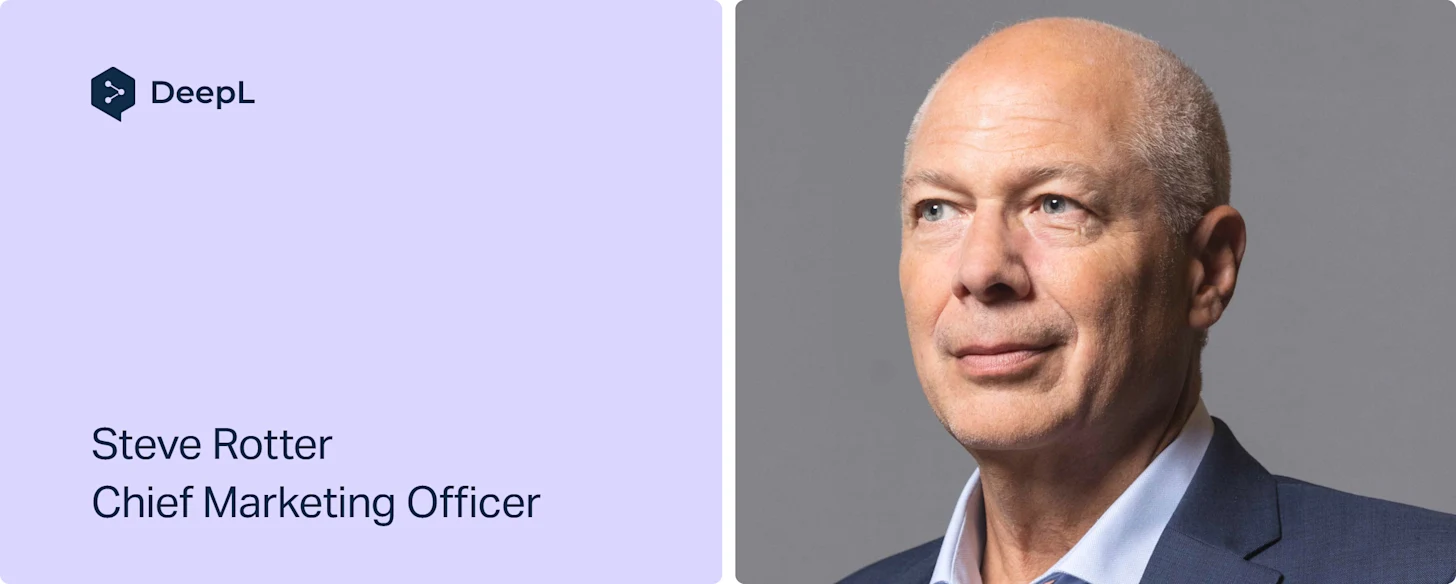
Temel içgörü: Ajanlar, “nano-segmentasyon”u mümkün kılar ve pazarlamacıların müşterileri büyük ölçekte bireyler olarak ele almasına olanak tanır.
“Önümüzdeki yıl tarihi bir dönüm noktası olacak. 2026'da, yapay zeka ajanları sadece işi desteklemekten öteye geçerek işi yeniden şekillendirmeye başlayacak.
Pazarlamacılar için bu, inanılmaz bir potansiyelin kapılarını açıyor. İlk kez, büyük ölçekte ince ayarlı, kişiselleştirilmiş pazarlama sunma yeteneğine sahibiz. Bu, daha fazla alaka düzeyi ve nihayetinde daha iyi pazarlama anlamına geliyor.
Pazarlama mesajlarını kişiselleştirme fikri yeni değil, ancak her zaman sınırlamalar olmuştur.
Benzersiz müşteri segmentlerini belirlemek zordur, kişiselleştirilmiş mesajlar sunmak zaman alır ve sonuçta, gönder düğmesine basıp hedef kitleye 50.000 e-posta göndermek ve bir şeylerin tutmasını ummak oldukça kolaydır; ancak başarılı bir kampanyada bile insanların %85'i bunu görmezden gelir.
Yapay zeka ajanları, tüm bu engelleri aşma potansiyeline açıkça sahiptir. Daha ayrıntılı segmentleri tanımlamak ve belirlemek, bu "nano segmentler" için daha iyi mesajlar geliştirmek ve doğru kanallar üzerinden onlara mesajlar iletmek gibi zor işleri yapabilirler.
Bundan yararlanmak için, o büyük pazarlama gurusu Yoda'nın izinden gitmemiz ve büyük ölçekli pazarlama taktikleri konusunda 'öğrendiklerimizi unutmamız' gerekecek.
Bu, harika pazarlamanın özüne geri dönme şansıdır: müşterilere insan gibi davranmak, bulundukları yerde onlara ulaşmak ve eski bir arkadaşınızla konuşur gibi onlarla konuşmak.”
Sorunsuz yapay zeka entegrasyonu, yeni hukuk sektörü standardını belirliyor: Frankie Williams, CLO
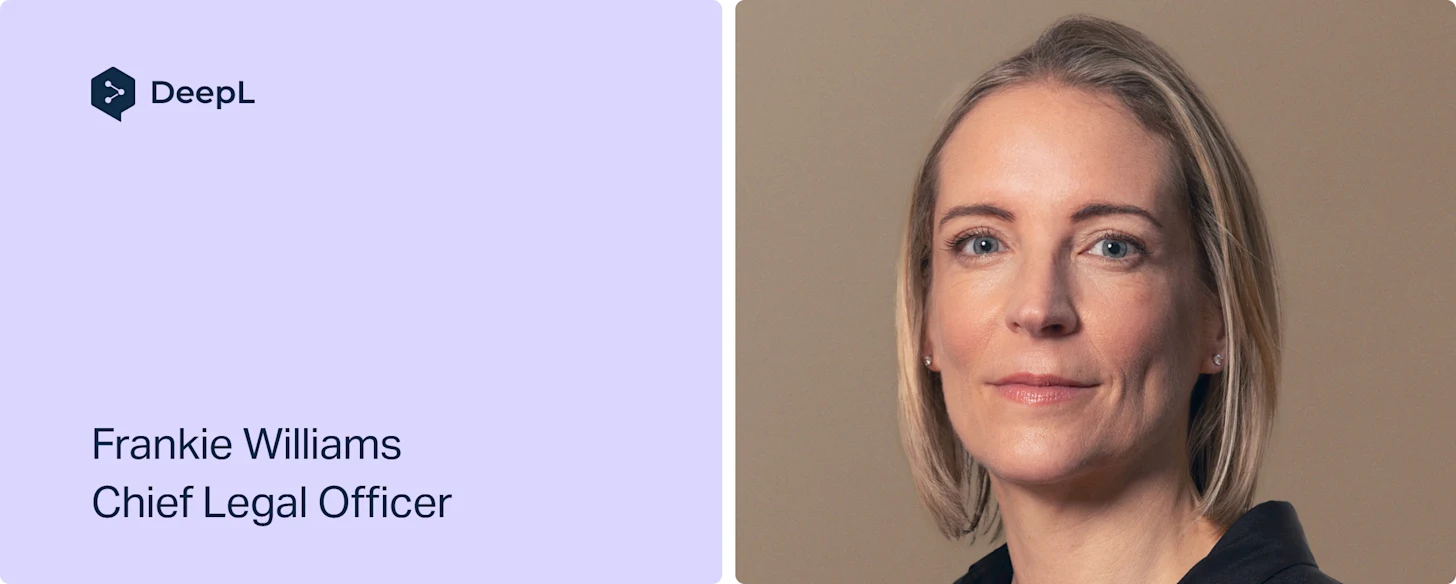
Temel içgörü:Yapay zeka temel altyapı haline geliyor, sektörü sonuç odaklı fiyatlandırma ve stratejik insan denetimine doğru kaydırıyor.
“DeepL’in ABD’deki hukuk profesyonelleri üzerinde yaptığı yakın tarihli bir araştırmaya göre, hukuk kuruluşlarının %77’si geçtiğimiz yıl yapay zeka harcamalarını artırdı. 2026 yılında bu hızlı benimseme sürecinin daha da hızlanacağına ve odak noktasının değişeceğini düşünüyorum.
Artık mesele, bir firmanın veya hukuk ekibinin yapay zeka kullanıp kullanmadığı değil, bunu temel iş akışlarına ne kadar sorunsuz ve güvenli bir şekilde entegre ettiği.
Yapay zeka destekli özellikler, keşif platformlarına, sözleşme yönetim sistemlerine ve hukuki araştırma araçlarına entegre edilecek. Yapay zeka, rutin görevlerde giderek daha fazla güven kazanacak, sözleşme hazırlama ve inceleme işlerini üstlenecek ve insan gücünün denetim ve stratejik karar verme süreçlerine odaklanmasını sağlayacak.
Bu durum, hukuk hizmetlerinin fiyatlandırılma şeklini yeniden şekillendirmeye devam edecektir. Firmaların geleneksel saatlik ücretlendirme oranlarından uzaklaşıp görev ve sonuç odaklı fiyatlandırma modellerine geçmesi gerekecek.
Hukuk mesleği, denetim izleri sağlayan, şeffaf bir mantık (açıklanabilirlik) sergileyen ve sıkı veri koruma, gizlilik ve güvenlik standartlarını koruyan araçlara ihtiyaç duyacaktır. Ancak, 2026 yılında başarılı bir hukuk profesyoneli, yapay zekayı kullanarak kanıtlanabilir şekilde daha iyi, daha hızlı ve daha uygun maliyetli sonuçlar sunma becerisiyle tanımlanacaktır.
Hukuk firmaları, müşteri taleplerine ayak uydurmak istiyorlarsa, yapay zeka kullanımını artık isteğe bağlı bir seçenek olarak göremeyecekler."
Yapay zeka, prototip aşamasından kritik sektör altyapısına doğru olgunlaşıyor: Gonçalo Gaiolas, CPO
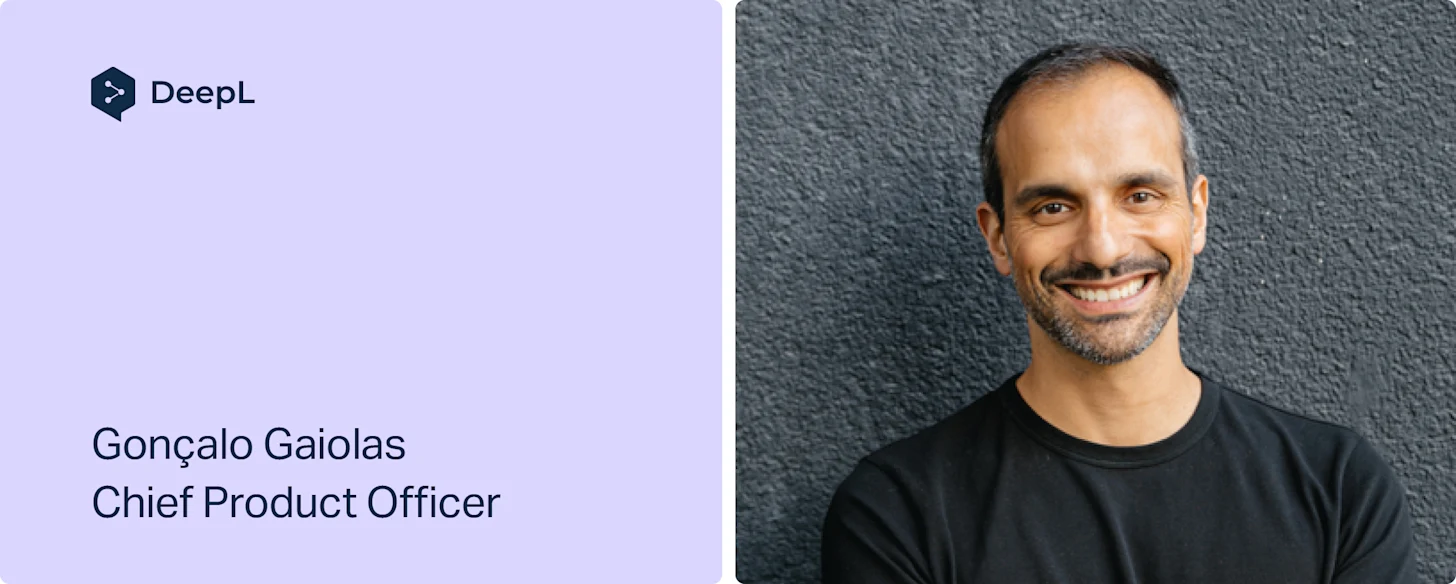
Temel içgörü: Şirketler deneme aşamasından operasyonel aşamaya geçiyor, gömülü, kullanıma hazır yapay zeka etrafında tüm iş akışlarını yeniden inşa ediyor.
"Geçtiğimiz yıl, yapay zekanın neler yapabileceği konusunda büyük bir heyecan yaşandı. Önümüzdeki 12 ay, yapabilecekleri ile ilgili olacak. 2026, yapay zekanın başarısız kavram kanıtlamaları ve prototiplerden, tüm endüstrileri yeniden tasarlayan ve ekiplerin gerçek iş akışlarına dahil olan ürünleri desteklemeye geçtiği yıl olacak.
Şirketler artık kenarda denemeler yapmıyor. Artık bunu operasyonel hale getiriyorlar.
Küresel iş liderleriyle yaptığımız araştırma bu noktayı doğruluyor. Yarısından fazlası, 2026 yılında yapay zekanın şirketin büyümesine diğer tüm teknolojilerden daha fazla katkı sağlayacağını bekliyor. Bu, yapay zekanın sadece bir inovasyon fikri değil, bir altyapı olarak olgunlaştığının açık bir işaretidir.
Yapay zeka ajanları ve dil teknolojileri günlük ürünlere entegre oldukça, tüm iş akışlarının bunların etrafında yeniden şekillendiğini göreceğiz. Bu iş akışları daha basit, daha hızlı ve daha insani olacak. Sonuç? Tek seferlik kullanım örneklerinden, sektörler genelinde gerçek ve sürdürülebilir bir dönüşüme doğru bir geçiş yaşanacak."
Ajan tabanlı yapay zeka, iş ölçeği için bir süper güçtür: Sebastian Enderlein, CTO
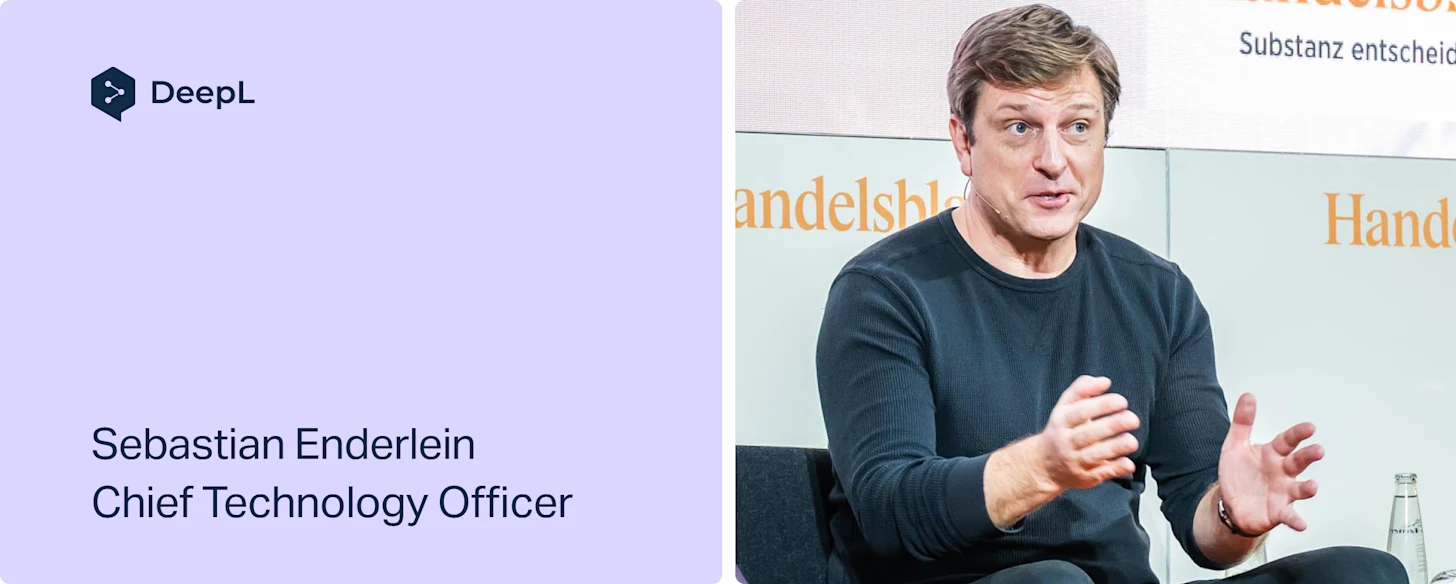
Temel içgörü: Verimlilik ve sonuçlar, uzun vadeli yapay zeka başarısı ve para kazanma için yeni kriterler olarak yenilikçiliğin yerini alıyor.
"Pilot uygulamalar ve kavram kanıtlama aşamalarından sonra, işletmeler artık ölçeklendirmeye hazır ve bunu gerçekleştirmek için ajansal yapay zekaya büyük bir bahis oynuyorlar. Sonuç olarak, 2026 yılı yapay zekanın deneme aşamasını geride bırakıp, daha önce hiç görmediğimiz bir ölçekte uygulamaya geçeceği yıl olacak.
Küresel iş liderlerinin neredeyse yarısı (%44), 2026'da ajansal yapay zekadan büyük bir dönüşüm bekliyor ve haklılar. Bu sistemler, tekrarlayan, bilgiye dayalı görevleri büyük ölçekte güvenilir bir şekilde yerine getirmeye başlıyor ve birçok kişinin daha etkili, yaratıcı problem çözmeye odaklanmasını sağlıyor
Tüketiciler için ise, araçlar daha akıcı, ifade gücü yüksek ve günlük hayata daha fazla entegre hale geldikçe, yapay zekanın "vay canına etkisi" artmaya devam edecek (özellikle video ve görüntü üretimi alanında). Ancak bu görkemin ötesinde, asıl dönüşüm kuruluşların içinde gerçekleşecek.
Aynı zamanda, yapay zekanın Business tarafı da olgunlaşacak. Satıcılar istikrar kazanacak, para kazanma modelleri kullanım tabanlı olmaktan çıkıp sonuç odaklı hale gelecek ve yenilikçilik yerine üretkenlik yeni ölçüt haline gelecektir."
2026 tahminlerini Business gerçekliğinize dönüştürün
Yapay zekanın bir sonraki dalgası, vaatlere değil kanıtlara odaklanıyor. Yapay zekanın iş akışlarını dönüştürme ve bilgi çalışanlarını güçlendirme potansiyelini keşfetmeye hazırsanız, dil yapay zekası ile başlayın.
DeepL’in dil yapay zekası paketi—Translator, Write, Voice, API ve Integrations—temel çevirinin ötesine geçerek karmaşık, otomatikleştirilmiş kurumsal iş akışlarına sorunsuz bir şekilde entegre olur.
Satışla İletişime Geçinözel yapay zeka araçlarımızın çok dilli iletişimi verimli ve ölçeklenebilir büyümenin bir aracı haline nasıl dönüştürdüğünü görmek için.