Le previsioni dei dirigenti di DeepL sull'IA per il 2026
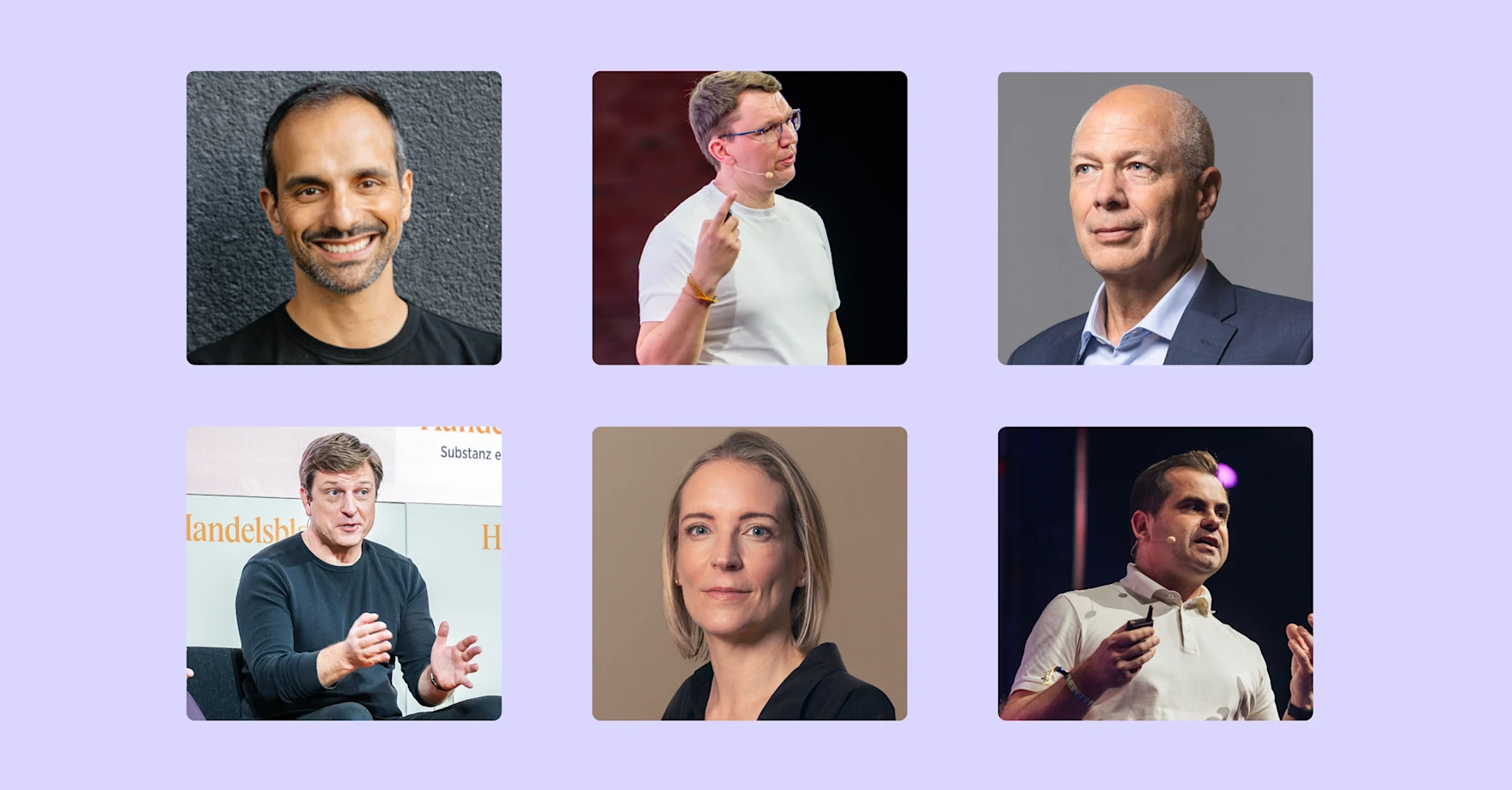
I punti essenziali
- Nel 2026, le aziende passeranno dai progetti pilota di IA alla trasformazione, con l'IA agentica che coordinerà i flussi di lavoro e genererà risultati aziendali concreti.
- Una ricerca di DeepL condotta su oltre 5.000 leader mostra un aumento del ROI dell'IA e l'aspettativa che superi tutte le altre tecnologie in termini di crescita.
- I dirigenti si aspettano che l'IA automatizzi intere funzioni, unificando gli strumenti e liberando le persone per un lavoro creativo e strategico di maggior valore.
- L'IA agentica diventerà mainstream in tutti i settori, dal marketing nano-mirato ai flussi di lavoro legali, per potenziare la personalizzazione, l'efficienza e i risultati per i clienti.
- Man mano che l'IA matura, produttività, sicurezza e spiegabilità sostituiscono la novità come parametri di riferimento, rendendo l'integrazione fluida e responsabile una necessità competitiva.
- L'IA linguistica di DeepL fornisce le basi per una comunicazione accurata, conforme e in linea con il marchio di cui le aziende hanno bisogno mentre scalano e automatizzano i flussi di lavoro globali.
Le organizzazioni hanno iniziato a cercare seriamente applicazioni di IA in grado di fornire un valore reale nel 2025. Nel 2026, stanno sfruttando ciò che hanno imparato per guidare una vera trasformazione.
I leader professionali stanno scoprendo la potenza e il potenziale dell'IA agente. Vedono come questa possa trasformare i flussi di lavoro e i processi aziendali, ripensare ciò che è possibile e rendere l'IA un motore di crescita primario.
Una ricerca di DeepL rivela un enorme spostamento verso l'IA specializzata e agentica
Per formulare le nostre previsioni su dove sarà diretta l'IA nel 2026, DeepL ha condotto una ricerca approfondita con oltre 5.000 leader professionali di alto livello provenienti da Stati Uniti, Regno Unito, Francia, Germania e Giappone. Ecco cosa abbiamo scoperto:
- Il 25% dei dirigenti afferma che l'IA agentica sta già guidando una trasformazione importante nelle loro aziende.
- Il 44% si aspetta che lo faccia nel 2026.
- Solo il 7% dei dirigenti ritiene che gli agenti di IA non cambieranno le loro operazioni, il che sottolinea la portata della trasformazione.
L'IA agentica coordina i flussi di lavoro e aiuta le organizzazioni a ottenere di più dall'IA e da altri strumenti. Man mano che i leader vedono tutto questo in azione, cresce la loro fiducia nella capacità di guidare la trasformazione e garantire un ROI misurabile.
In totale, il 67% degli intervistati reporta un aumento del ROI derivante dalle proprie iniziative di IA quest'anno. Più della metà (52%) si aspetta che l'IA contribuisca maggiormente alla crescita aziendale rispetto a qualsiasi altra tecnologia il prossimo anno.
Dalla prima linea dell'innovazione e dello sviluppo dell'IA linguistica, vocale e agentica, ecco le previsioni dei leader di DeepL su come l'IA trasformerà le aziende e libererà il potenziale umano nel 2026.
L'IA automatizza le funzioni professionali per liberare il potenziale umano: Jarek Kutylowski, amministratore delegato
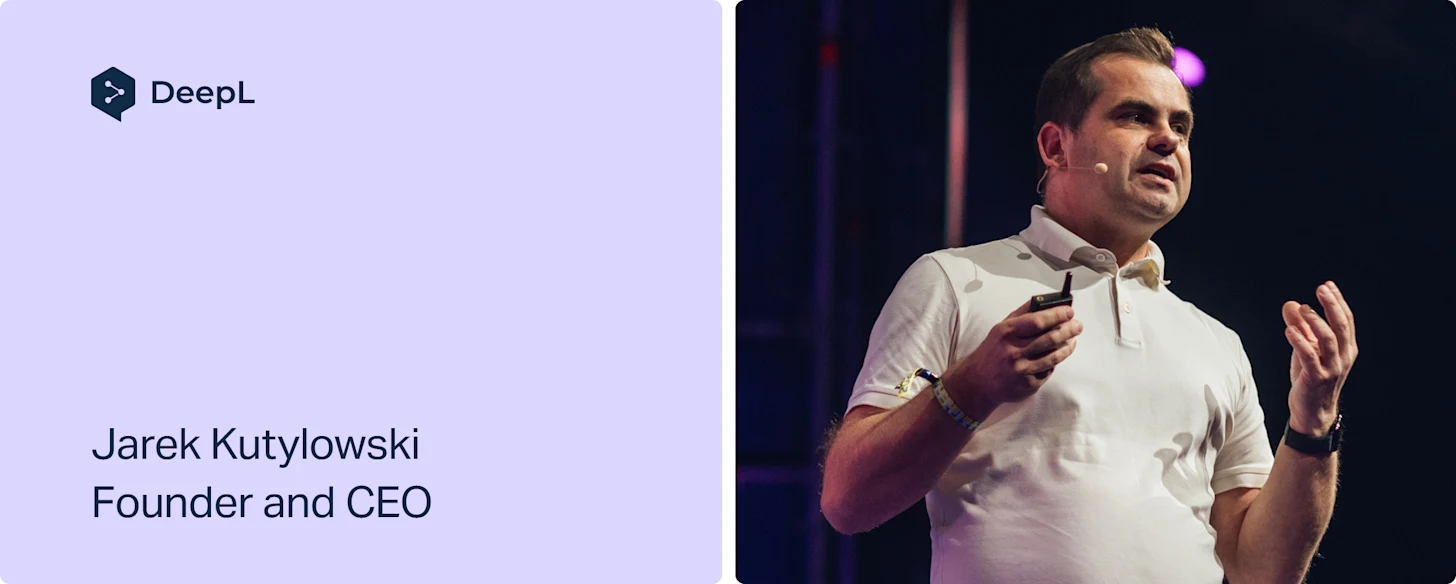
Idea chiave: L'IA passa da strumento frammentato a sistema unificato che automatizza intere funzioni aziendali, liberando gli esseri umani per la risoluzione creativa dei problemi.
“Il 2025 è stato l’anno in cui l’IA è passata dalla fase di prova a quella di applicazione. Nel 2026, credo che faremo ancora di più, con le aziende che automatizzeranno completamente alcune funzioni professionali grazie all’IA.
Con strumenti meno frammentati e un'IA autonoma in grado di occuparsi delle funzioni più complesse, saremo liberati da compiti che prima richiedevano molto tempo. Questa riduzione del lavoro ripetitivo ci permetterà di concentrarci su ciò in cui noi umani eccelliamo davvero: risolvere problemi complessi con creatività e grinta.
Da una prospettiva europea, la sovranità tecnologica va oltre la semplice ubicazione dei dati. Si tratta di possedere il know-how tecnologico e i modelli, e di creare imprese che li sviluppino.
Abbiamo bisogno che il 2026 sia l'anno in cui la tecnologia dell'IA abbia la possibilità di crescere nella regione, con un migliore accesso alle infrastrutture di IA, una riforma delle regole sulle stock option per i dipendenti e investimenti nella tecnologia. Dobbiamo anche essere più audaci nella fiducia in noi stessi a livello regionale. Possiamo e saremo in grado di competere nell'IA.”
L’adozione degli agenti su scala aziendale raggiunge la maggioranza precoce: Stefan Andresen, Chief Scientist
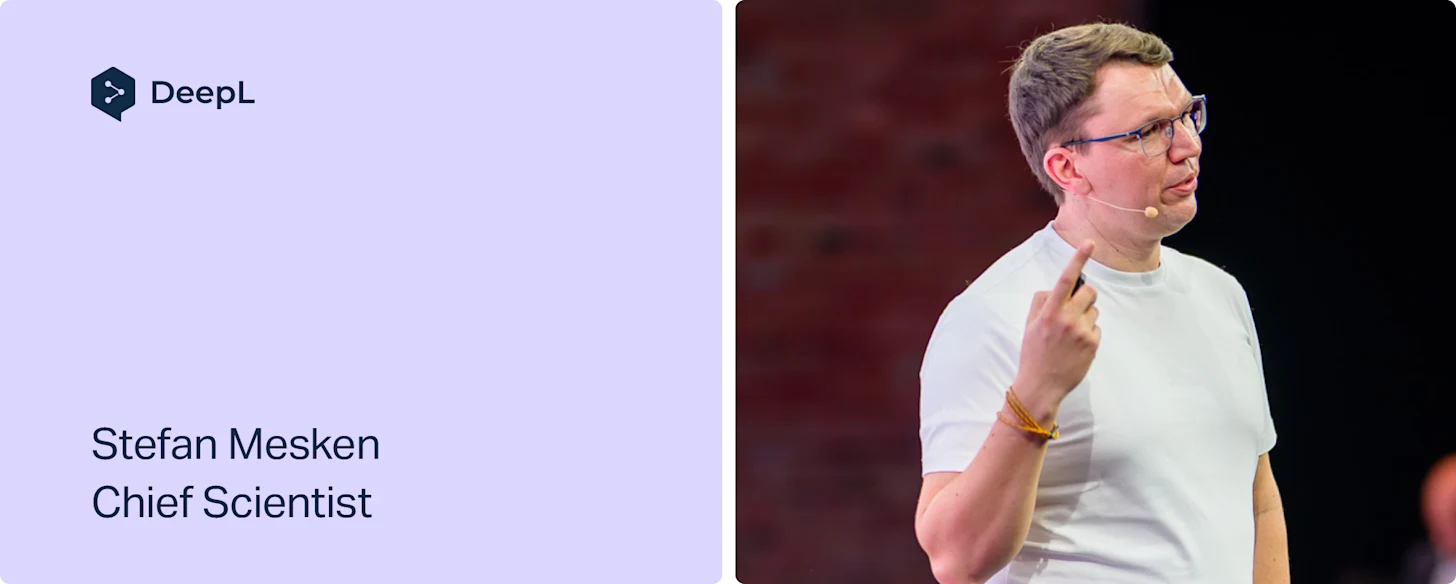
Idea chiave: L'IA agentica supera la fase degli “innovatori” mentre le organizzazioni integrano colleghi virtuali per snellire le operazioni e migliorare il processo decisionale.
“Il 2026 sarà senza dubbio l’anno degli agenti. La consapevolezza pubblica di ciò che gli agenti possono fare ha raggiunto il picco nel 2025, ma l’adozione su larga scala da parte delle aziende avverrà nel nuovo anno. Sulla curva di adozione della tecnologia, assisteremo a un significativo passaggio dagli innovatori alla maggioranza precoce.
Dalle conversazioni con i nostri clienti, sappiamo che le organizzazioni si affideranno sempre più ai colleghi virtuali per snellire le operazioni e migliorare i processi decisionali. Assisteremo anche a un cambiamento nel modo in cui scelgono le soluzioni di IA.
Ci sarà un approccio più collaborativo, con ogni team che selezionerà gli strumenti più adatti alle proprie esigenze e testerà le soluzioni in prima persona. L'integrazione diffusa porterà a flussi di lavoro più efficienti, consentendo ai team di concentrarsi su iniziative strategiche e argomenti complessi piuttosto che su attività di routine.
Prevedo un effetto a catena, con i primi ad adottare queste tecnologie che ne dimostreranno il valore e ne incoraggeranno una più ampia diffusione. È l’inizio di un’era in cui l’IA agentica avrà un ruolo cruciale nel guidare l’innovazione e migliorare i risultati aziendali complessivi.”
Gli agenti di IA rivoluzionano il marketing attraverso l’iper-personalizzazione: Steve Rotter, CMO
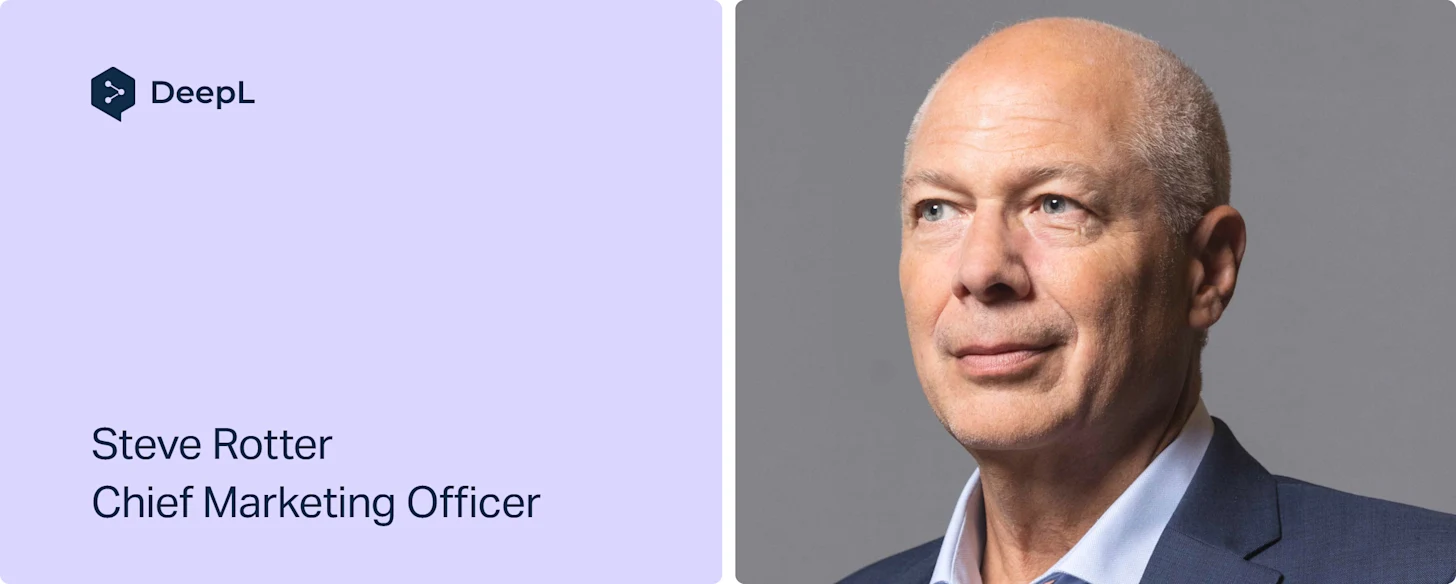
Idea chiave: Gli agenti consentono la “nano-segmentazione”, permettendo ai professionisti del marketing di trattare i clienti come individui su vasta scala.
“Il prossimo anno segnerà un punto di svolta storico. Nel 2026, gli agenti IA non si limiteranno più a potenziare il lavoro, ma inizieranno a ridefinirlo.
Per i professionisti del marketing, questo sblocca un potenziale incredibile. Per la prima volta in assoluto, abbiamo la possibilità di offrire un marketing personalizzato e su misura su larga scala. Ciò significa maggiore pertinenza e, in definitiva, un marketing migliore.
L’idea di personalizzare i messaggi di marketing non è una novità, ma ci sono sempre stati dei limiti.
Identificare segmenti di clientela unici è difficile, inviare messaggi personalizzati richiede tempo e, alla fine dei conti, è piuttosto facile premere il pulsante "Invia" e lanciare 50.000 email a un pubblico sperando che qualcosa vada a segno, anche se una campagna di successo comporta comunque che l'85% delle persone la ignori.
Gli agenti IA hanno chiaramente il potenziale per superare tutte queste barriere. Possono fare il lavoro duro per definire e identificare segmenti più granulari, sviluppare messaggi migliori per questi "nano-segmenti" e inviare messaggi per loro attraverso i canali giusti.
Per trarne vantaggio, dovremo seguire l'esempio di quel grande guru del marketing che è Yoda e "disimparare ciò che abbiamo imparato" in termini di tattiche di marketing su larga scala.
È un'occasione per tornare al cuore del grande marketing: trattare i clienti come persone, raggiungerli dove si trovano e parlare con loro come faresti con un vecchio amico.”
L'integrazione perfetta dell'IA definisce il nuovo standard del settore legale: Frankie Williams, CLO
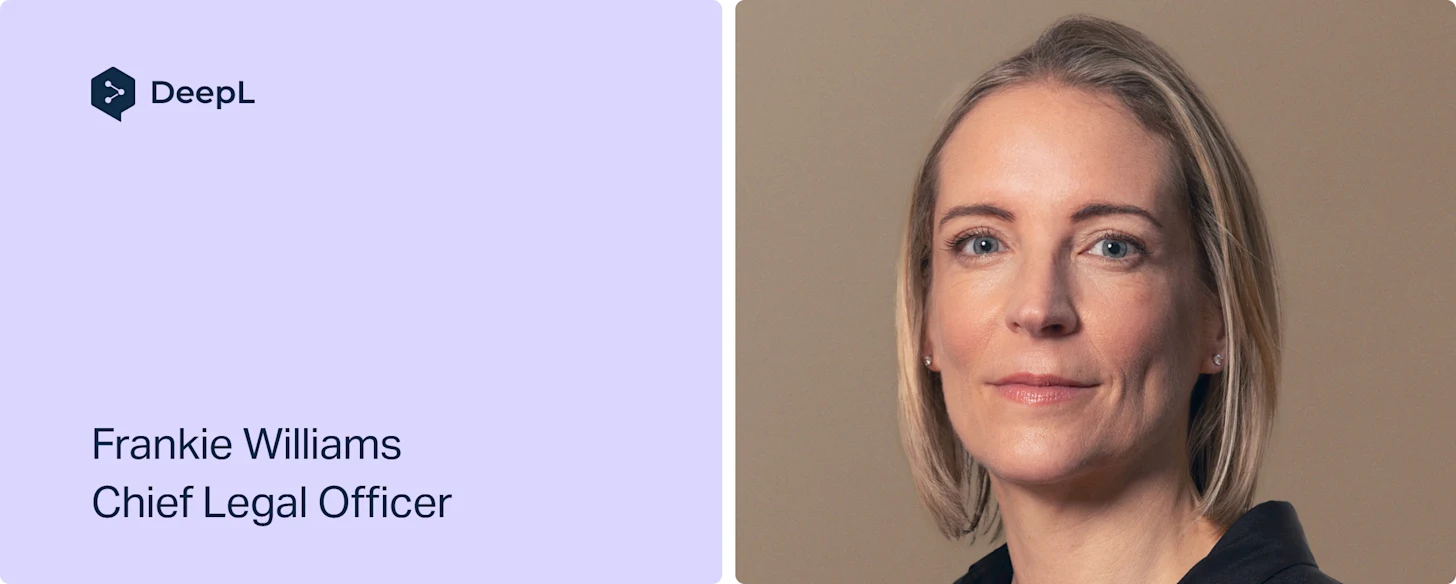
Idea chiave:L'IA legale diventa un'infrastruttura fondamentale, spostando il settore verso una tariffazione basata sui risultati e una supervisione umana strategica.
“Un recente studio di DeepL sui professionisti legali statunitensi ha rilevato che il 77% degli studi legali ha aumentato la spesa per l’IA nell’ultimo anno. Credo che nel 2026 questa rapida adozione accelererà ulteriormente e assisteremo a un cambiamento di prospettiva.
Non si tratta più di chiedersi se uno studio o un team legale utilizzi l’IA, ma di quanto sia in grado di integrarla in modo fluido e sicuro nei flussi di lavoro principali.
Le funzionalità basate sull'IA saranno integrate nelle piattaforme di discovery, nei sistemi di gestione dei contratti e negli strumenti di ricerca legale. L'IA sarà sempre più utilizzata per le attività di routine, occupandosi della redazione e della revisione dei contratti, consentendo così alle persone di concentrarsi sulla supervisione e sul giudizio strategico.
Questo continuerà a ridefinire il modo in cui viene determinato il prezzo del lavoro legale. Gli studi dovranno abbandonare le tradizionali tariffe orarie e passare a modelli di tariffazione basati sulle attività e sui risultati.
La professione legale richiederà strumenti che forniscano tracciabilità, dimostrino un ragionamento trasparente (spiegabilità) e mantengano rigorosi standard di protezione dei dati, privacy e sicurezza. Tuttavia, il professionista legale di successo del 2026 si distinguerà per la sua capacità di sfruttare l'IA per ottenere risultati dimostrabilmente migliori, più rapidi e più convenienti.
L'uso dell'IA non sarà più facoltativo per gli studi legali se vorranno stare al passo con la domanda dei clienti.
L'IA passa da prototipo a infrastruttura fondamentale del settore: Gonçalo Gaiolas, CPO
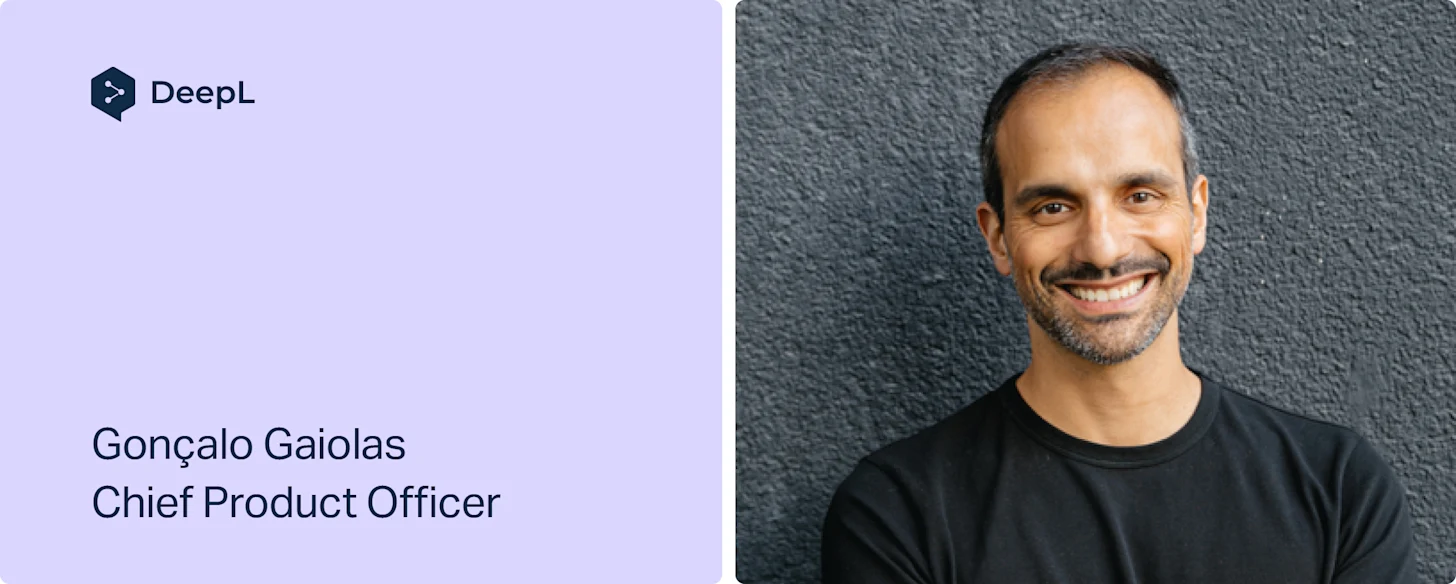
Idea chiave: Le aziende passano dalla fase sperimentale a quella operativa, ricostruendo interi flussi di lavoro attorno a un'IA integrata e pronta all'uso.
"Nell'ultimo anno, abbiamo assistito a un enorme entusiasmo per ciò che l'IA potrebbe fare. I prossimi 12 mesi saranno dedicati a ciò che fa. Il 2026 sarà l'anno in cui l'IA passerà da prove di concetto e prototipi falliti a prodotti realmente funzionanti che reinventano interi settori e si integrano nei flussi di lavoro reali dei team.
Le aziende non stanno più sperimentando ai margini. Stanno rendendo tutto operativo.
La nostra ricerca con i leader aziendali globali lo dimostra. Più della metà si aspetta che nel 2026 l'IA contribuisca alla crescita aziendale più di qualsiasi altra tecnologia. Questo è un chiaro segno che l'IA sta maturando fino a diventare un'infrastruttura, non solo un'idea di innovazione.
Man mano che gli agenti di IA e le tecnologie linguistiche si integreranno nei prodotti di uso quotidiano, vedremo interi flussi di lavoro ricostruiti attorno a loro. Questi flussi di lavoro saranno più semplici, più veloci e più umani. Il risultato? Un passaggio da casi d'uso isolati a una trasformazione reale e duratura in tutti i settori.
L'IA agentica è il superpotere per la scalabilità professionale: Sebastian Enderlein, CTO
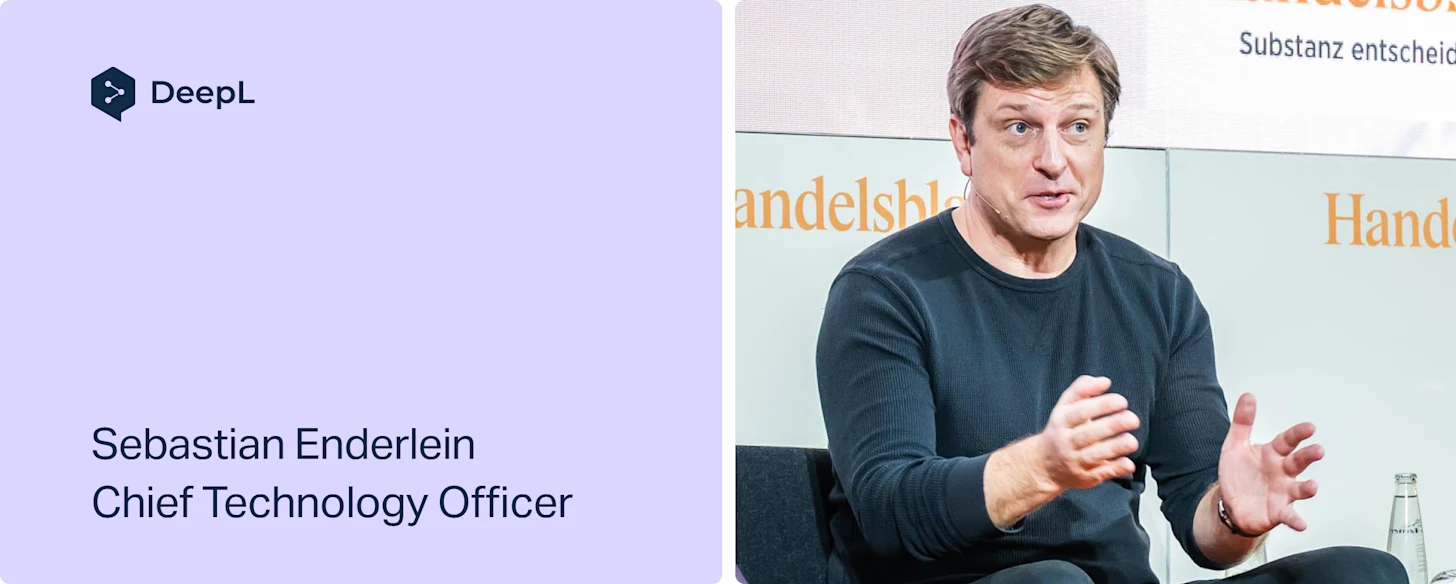
Idea chiave: La produttività e i risultati sostituiscono la novità come nuovi parametri di riferimento per il successo a lungo termine dell'IA e la monetizzazione.
"Dopo un ciclo di progetti pilota e prove di concetto, le aziende sono ora pronte a crescere e stanno puntando molto sull'IA agentica per farlo. Di conseguenza, il 2026 sarà l'anno in cui l'IA smetterà di sperimentare e inizierà a mettere in pratica, su una scala che non abbiamo ancora visto.
Quasi la metà (44%) dei leader professionali globali si aspetta una trasformazione importante dall'IA agentica nel 2026, e hanno ragione a farlo. Questi sistemi stanno iniziando a gestire in modo affidabile compiti ripetitivi e basati sulla conoscenza su larga scala, liberando molte risorse che potranno così concentrarsi su attività creative e di risoluzione dei problemi ad alto impatto
Per i consumatori, l’effetto “wow” dell’IA continuerà a crescere (soprattutto nella generazione di video e immagini) man mano che gli strumenti diventeranno più fluidi, espressivi e integrati nella vita quotidiana. Al di là dello spettacolo, però, la vera trasformazione avverrà all’interno delle organizzazioni.
Allo stesso tempo, il lato professionale dell'IA maturerà. I fornitori si stabilizzeranno, i modelli di monetizzazione si evolveranno da basati sull'utilizzo a orientati ai risultati, e la produttività, non la novità, diventerà il nuovo punto di riferimento."
Trasforma le previsioni per il 2026 nella realtà della tua azienda professionale
La prossima ondata di IA si concentra sui risultati, non sulle promesse. Se sei pronto a esplorare il potenziale dell'IA per trasformare i flussi di lavoro e potenziare i knowledge worker, inizia con l'IA linguistica.
La suite di IA linguistica di DeepL — Traduttore, Write, Voice, API e Integrazioni—va oltre la semplice traduzione per integrarsi perfettamente in flussi di lavoro aziendali complessi e automatizzati.
Contatta il reparto vendite per scoprire come i nostri strumenti IA specializzati trasformano la comunicazione multilingue in una leva per una crescita efficiente e scalabile.