

Budowanie „infrastruktury językowej” w całej firmie: Jak firma Kanadevia wzmacnia swoją infrastrukturę IT, aby obsługiwać globalną ekspansję
Aby pomóc w osiągnięciu celu, jakim jest 50-procentowy udział przychodów operacyjnych z działalności zagranicznej, firma Kanadevia wdrożyła standardowo pakiet tłumaczeniowy oparty na AI DeepL, eliminując w ten sposób wąskie gardła w komunikacji i umożliwiając swojej globalnej kadrze współpracę bez przeszkód.
Najważniejsze wnioski
Wraz z rozwojem projektów zagranicznych różnice językowe stały się wyraźnym wyzwaniem w operacjach. Kanadevia rozwiązała ten problem poprzez standaryzację DeepL jako „infrastruktury językowej” w całej firmie.
Od dokumentów i spotkań po rozmowy w czasie rzeczywistym, firma Kanadevia wdrożyła podstawowe produkty DeepL, aby obsługiwać tłumaczenia w kluczowych scenariuszach biznesowych.
Wdrożenie pilotażowe (PoC) z udziałem około 100 użytkowników spotkało się z silnym pozytywnym odbiorem i doprowadziło do szybkiego wdrożenia w całej firmie.
Strategia globalnego rozwoju Kanadevia: zmniejszenie utrudnień wynikających z różnic językowych
Kanadevia Corporation (dawniej Hitachi Zosen Corporation; dalej „Kanadevia”) prowadzi operacje w sektorze ochrony środowiska i energetyki, przyczyniając się do dekarbonizacji i obiegu zasobów, od zakładów przetwarzania odpadów na energię po oczyszczalnie ścieków, systemy produkcji wodoru i technologie metanizacji. Firma dąży do zwiększenia udziału przychodów operacyjnych z działalności zagranicznej do 50% i rozszerza współpracę z zespołami zagranicznymi, m.in. poprzez swoją szwajcarską spółkę zależną.
Jednak jednym z największych wyzwań w realizacji tej strategii była komunikacja wielojęzyczna.
Aby obsługiwać bezpieczne i spójne tłumaczenia w całej organizacji oraz zmniejszyć utrudnienia podczas spotkań i codziennej współpracy, firma Kanadevia wdrożyła pakiet produktów DeepL. Firma wdrożyła DeepL Pro do tłumaczenia dokumentów, DeepL Write<2> do wsparcia pisania oraz wprowadziła DeepL Voice for Meetings <3> i DeepL Voice for Conversations <4> w celu wsparcia zarówno spotkań online, jak i bezpośrednich.
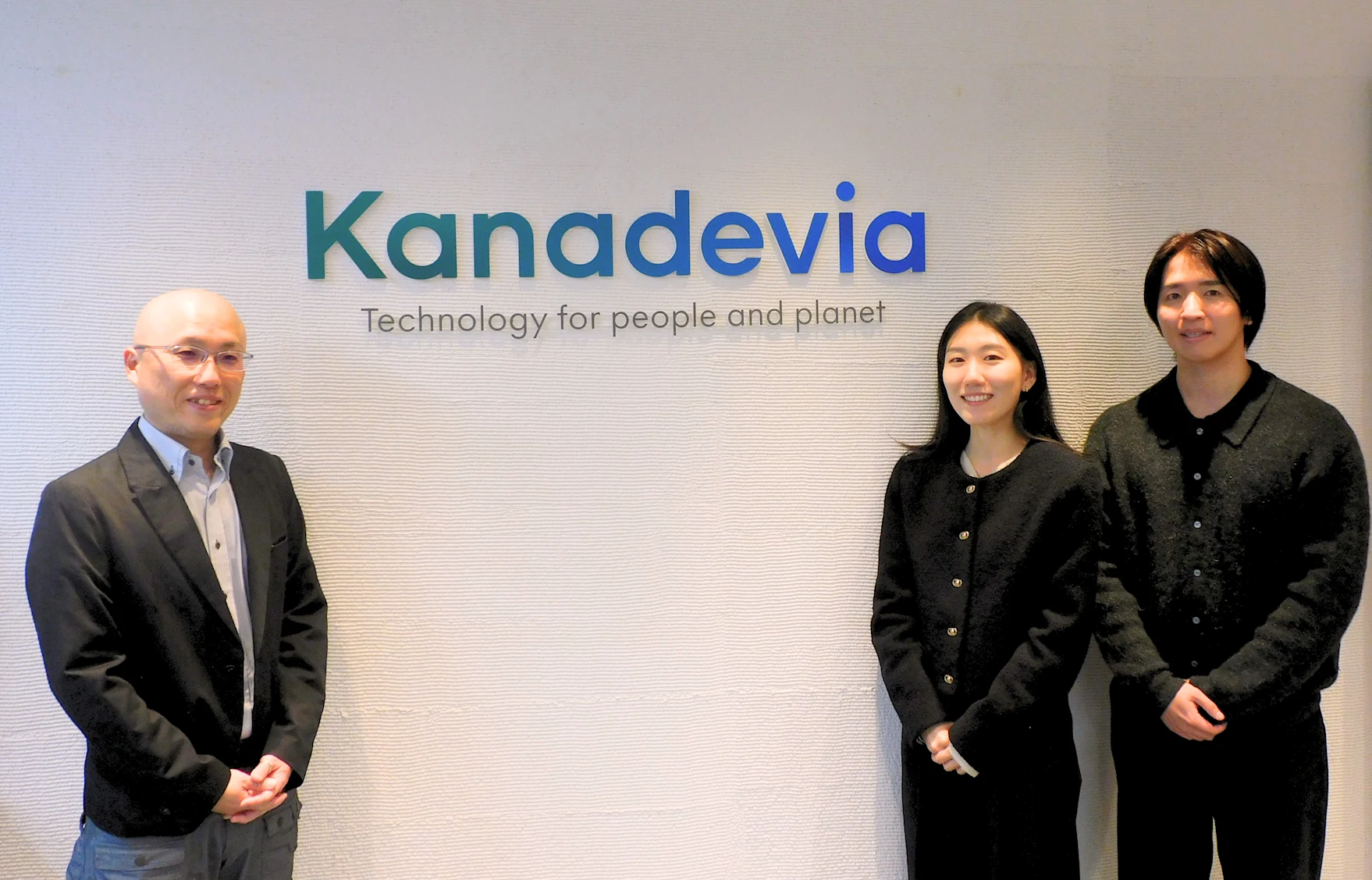
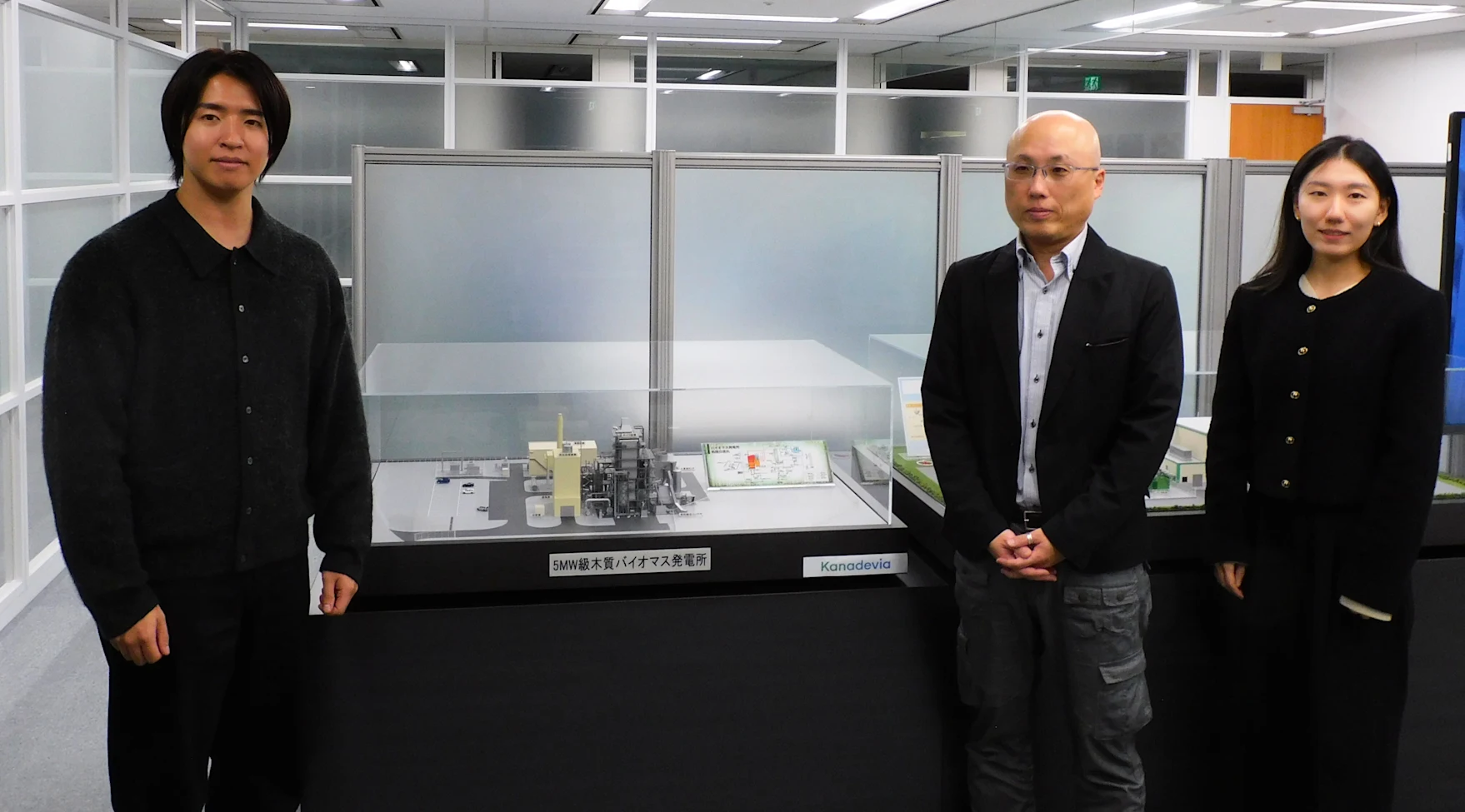
(Od lewej do prawej)
Kenji Sueoka, Menedżer, Sekcja Zarządzania Globalną Strukturą Informacyjną, Centrala Promocji Technologii Informacyjnych i Komunikacyjnych
Lee Jaeim, Inżynier IT, Sekcja Zarządzania Globalną Strukturą Informacyjną, Dział Zarządzania Infrastrukturą Informacyjną, Centrala Promocji Technologii Informacyjnych i Komunikacyjnych
Kenji Ishibashi, inżynier IT, Sekcja Zarządzania Globalną Strukturą Informacyjną, Centrala Promocji Technologii Informacyjnych i Komunikacyjnych
Bariera komunikacyjna wynikająca z różnic językowych utrudniająca globalną ekspansję biznesową
Czy mógłby Pan opowiedzieć nam o polityce biznesowej Kanadevia oraz wyzwaniach, przed którymi stajecie w procesie globalizacji?
Sueoka: Nasza firma skonfigurowała politykę dążenia do równego podziału przychodów operacyjnych między działalność zagraniczną i krajową, zakładając stosunek 50:50. W miarę rozszerzania naszych projektów zagranicznych niezbędna jest ścisła współpraca i wymiana informacji z naszymi międzynarodowymi biurami.
Jednak wiele dokumentów wewnętrznych jest sporządzanych w języku japońskim. W przypadku pracowników zatrudnionych lokalnie w naszych zagranicznych biurach utrudniało to czasami zrozumienie bieżącej sytuacji. Z punktu widzenia działu IT rosło również zapotrzebowanie na udostępnianie informacji dotyczących konserwacji oraz ogłoszeń wewnętrznych zarówno w języku japońskim, jak i angielskim.
Ponadto podczas planowania spotkań z zespołami zagranicznymi obawy związane z językiem mogły stać się barierą psychologiczną i czasami spowalniały komunikację. Te wyzwania językowe ostatecznie wpłynęły na szybkość i wydajność operacyjną.
Wyzwanie nie ograniczało się do języka angielskiego. W wielu sytuacjach wymagana jest komunikacja w językach takich jak tajski lub indonezyjski. Samo przydzielenie personelu mówiącego po angielsku nie zawsze jest wystarczające.
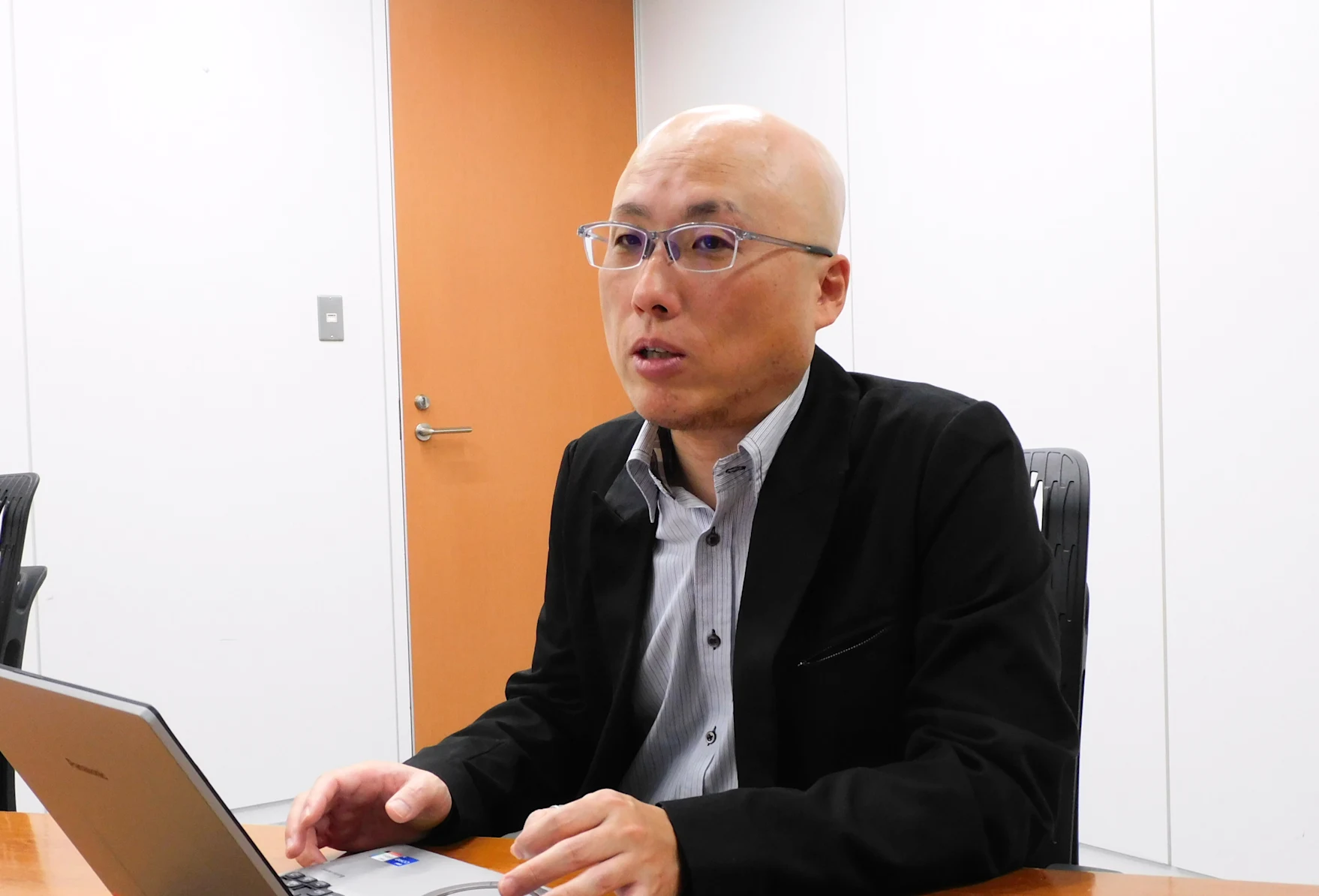
Kenji Sueoka, Menedżer, Sekcja Zarządzania Globalną Strukturą Informacyjną, Centrala Promocji Technologii Informacyjnych i Komunikacyjnych
Jak rozpoczęły się rozważania dotyczące wdrożenia DeepL?
Sueoka: Początkowym impulsem było silne wsparcie ze strony jednego z naszych dyrektorów, który poprosił o wprowadzenie oficjalnego produktu DeepL. Kiedy przeprowadziliśmy wewnętrzną ankietę, odkryliśmy również, że pracownicy już indywidualnie korzystają z DeepL. To doprowadziło nas do wniosku, że powinniśmy zapewnić oficjalnie zatwierdzone środowisko, w którym pracownicy mogliby z niego korzystać bez obaw.
Jak radziliście sobie z potrzebami tłumaczeniowymi przed pełnym wdrożeniem DeepL?
Ishibashi: W zależności od przypadku używaliśmy kombinacji narzędzi do tłumaczenia plików, narzędzi do tłumaczenia tekstu oraz AI ogólnego przeznaczenia. Żadne z nich nie mogło jednak zostać uznane za jedno standardowe narzędzie dla całej firmy.
Niektóre z nich działały w oparciu o modele cenowe oparte na użyciu, co utrudniało kontrolę budżetu i wewnętrzne procesy zatwierdzania. W innych przypadkach jakość tłumaczeń nie była wystarczająca do profesjonalnego użytku biznesowego. W rezultacie narzędzia i cykle pracy różniły się w zależności od działu i indywidualnych warunków, co powodowało niespójności w jakości i obciążeniu pracą.
Odczuwaliśmy pilną potrzebę: bez bezpiecznego środowiska tłumaczeniowego obejmującego całą firmę ucierpiałaby wymiana informacji z zagranicznymi biurami oraz tempo codziennych operacji. Dlatego uznaliśmy, że potrzebna jest ujednolicona infrastruktura tłumaczeniowa, z której można by korzystać spójnie w całej organizacji.
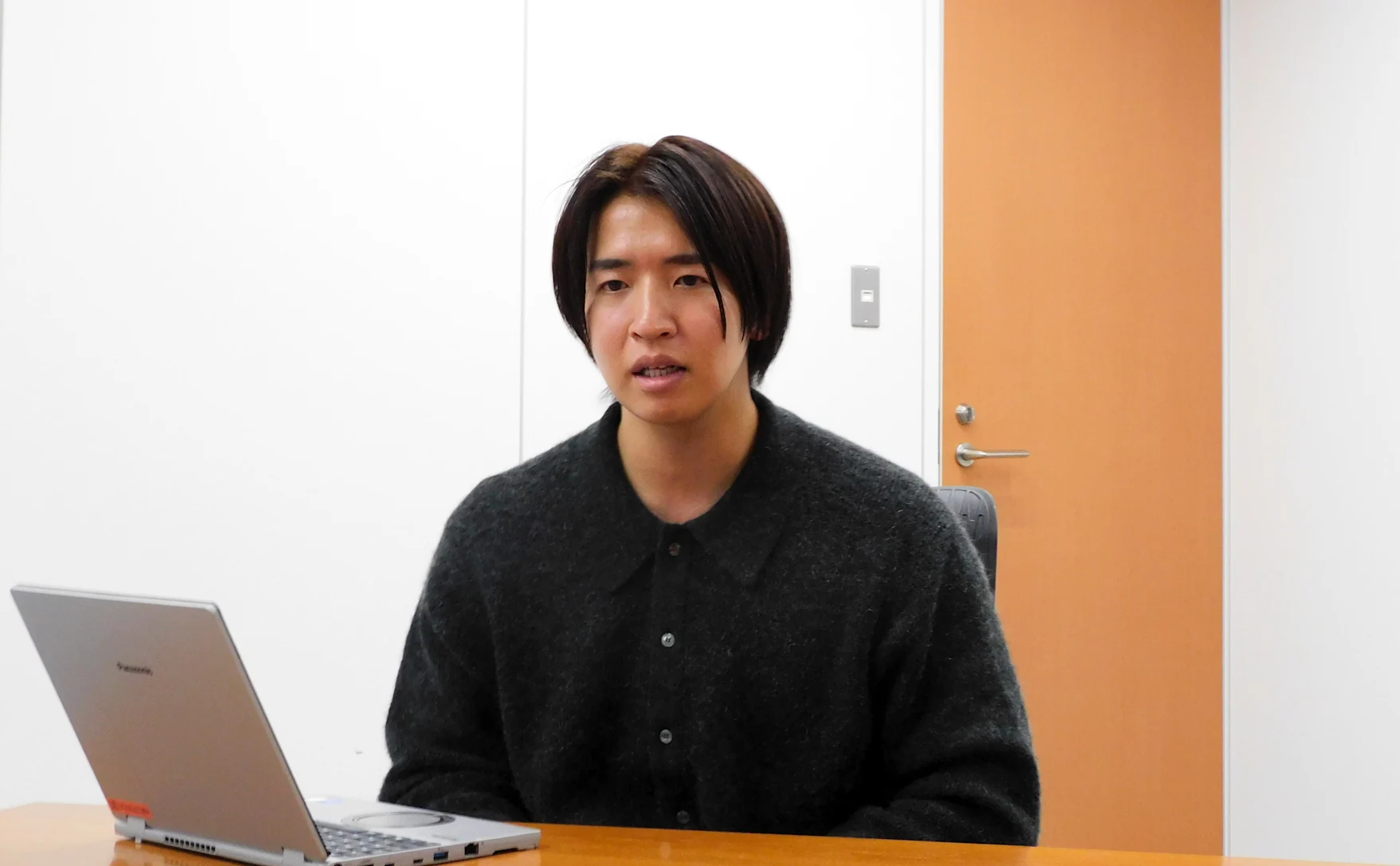
Kenji Ishibashi, inżynier IT, Sekcja Zarządzania Globalną Strukturą Informacyjną, Centrala Promocji Technologii Informacyjnych i Komunikacyjnych
Od umów i badań i rozwoju po IT: Wdrożenie DeepL obejmuje całą firmę
Jak przebiegała walidacja przed wdrożeniem?
Sueoka: W 2024 roku przeprowadziliśmy test koncepcyjny (PoC) z udziałem około 100 użytkowników. Rozdaliśmy licencje DeepL i poprosiliśmy uczestników o korzystanie z tego narzędzia w codziennych operacjach. W kolejnej ankiecie otrzymaliśmy silne opinie: wielu użytkowników komentowało, że jakość była wysoka i że narzędzie nadawało się do celów biznesowych.
Pojawiło się bardzo niewiele obaw dotyczących sposobu obsługi istniejących narzędzi lub podziału obowiązków między rozwiązaniami, a proces dostosowania wewnętrznego przebiegał płynnie. Bezpieczeństwo i zgodność z przepisami również zostały w pełni zapewnione, dzięki czemu podczas procesu selekcji nie pojawiły się żadne poważne obawy. W rezultacie wdrożenie przebiegło szybko, a około dwa miesiące później przeszliśmy na pełną umowę.
W jaki sposób DeepL jest obecnie wykorzystywane w całej organizacji?
Ishibashi: Wdrożyliśmy DeepL Pro, DeepL Write, DeepL Voice for Meetings oraz DeepL Voice for Conversations. Użytkownicy wybierają narzędzie odpowiednie do danego zadania. Dzięki udostępnieniu dodatków i aplikacji komputerowych stworzyliśmy przystępne środowisko, które obsługuje wdrożenie rozwiązania w całej firmie.
DeepL jest wykorzystywany w wielu sytuacjach. Działy ds. umów tłumaczą umowy z partnerami zagranicznymi. Zespoły badawczo-rozwojowe tłumaczą artykuły akademiczne i literaturę techniczną. Międzynarodowe zespoły projektowe polegają na nim w komunikacji z zagranicznymi biurami, a dział IT wykorzystuje go do tłumaczenia dokumentacji technicznej.
Lee: Osobiście uważam, że tłumaczenie plików jest szczególnie cenne. Nawet gdy dokumenty zawierają mieszankę tekstu, wykresów i obrazów, układ pozostaje w dużej mierze nienaruszony. Możliwość bezpośredniego tłumaczenia plików PowerPoint, PDF i Word jest bardzo wygodna.
W przypadku narzędzi AI ogólnego przeznaczenia tłumaczenie plików może wiązać się z niepewnością i wymagać dodatkowego czasu. Natomiast DeepL szybko przetwarza pliki i zachowuje formatowanie, dlatego polegamy na nim w przypadku większości potrzeb związanych z tłumaczeniem plików.
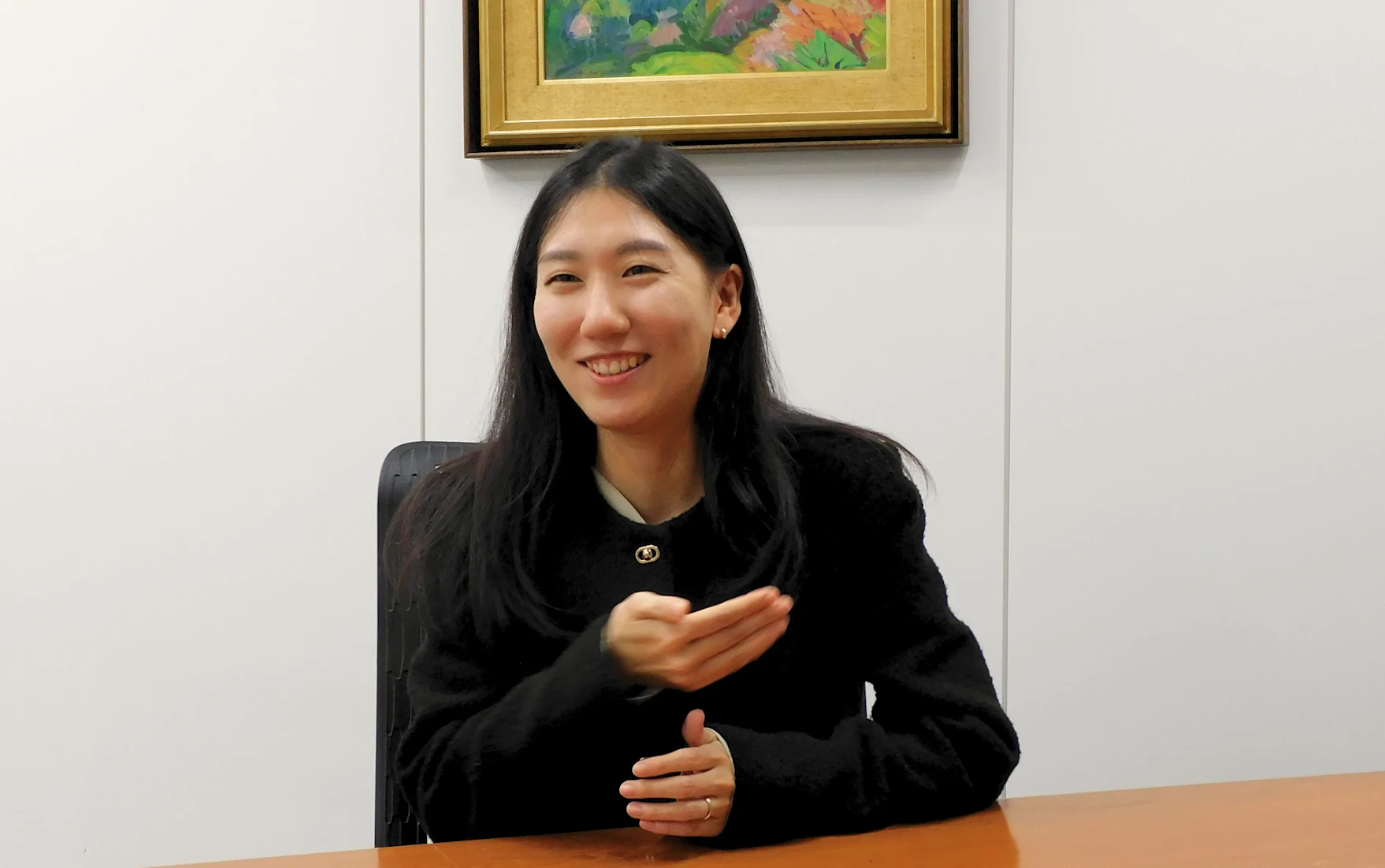
Lee Jaeim, Inżynier IT, Sekcja Zarządzania Globalną Strukturą Informacyjną, Centrala Promocji Technologii Informacyjnych i Komunikacyjnych
Eliminowanie utrudnień podczas spotkań i rozmów dzięki tłumaczeniu mowy
Jak wykorzystywana jest funkcja DeepL Voice?
Ishibashi: Podczas zagranicznych podróży służbowych i targów wielu pracowników korzysta z funkcji DeepL Voice for Conversations na służbowych smartfonach, aby obsługiwać komunikację twarzą w twarz. Ze względu na politykę firmy zakres aplikacji, które można zainstalować, jest ograniczony, więc dostępność oficjalnie zatwierdzonej aplikacji DeepL okazała się pomocna.
Lee: DeepL Voice for Meetings jest również szeroko stosowany podczas spotkań online. Ponieważ istnieje niewiele realnych alternatyw, dostrzegamy wyraźną wartość w DeepL Voice jako rozwiązaniu obsługującym zarówno komunikację online, jak i offline.
Przyspieszenie globalnej ekspansji dzięki „infrastrukturze językowej”
Jak postrzegasz różnice w porównaniu z narzędziami AI ogólnego przeznaczenia?
Lee: Niedawno wypróbowałem narzędzie AI ogólnego przeznaczenia podczas spotkania, na którym używano czterech języków – koreańskiego, japońskiego, angielskiego i chińskiego. Tłumaczenie przebiegało powoli, a opóźnienie było zbyt duże, aby można było je wykorzystać podczas spotkania na żywo.
Natomiast DeepL Voice for Meetings wyświetla treść wypowiedzianą w czasie rzeczywistym jako tekst podczas spotkań online. Pomaga to zachować naturalne tempo rozmowy i pozwala na prowadzenie dyskusji bez utraty płynności dialogu. Dostępność tłumaczeń o tej samej wysokiej jakości zarówno podczas spotkań, jak i w przypadku tłumaczeń dokumentów, ma zasadnicze znaczenie dla stworzenia standardowej infrastruktury językowej w całej firmie.
Na koniec, czy mógłby Pan podzielić się swoimi prognozami na przyszłość?
Sueoka: Rozwój projektów zagranicznych i wzmocnienie współpracy z międzynarodowymi oddziałami to kluczowe priorytety strategiczne. W praktyce różnice językowe mogą spowalniać pracę. Dlatego ważne jest, aby wdrożyć narzędzia do tłumaczenia oparte na AI jako część naszej wewnętrznej infrastruktury – tak, aby język nie stał się przeszkodą.
Korzystając z DeepL, pracownicy mogą skupić się na wykorzystywaniu swojej podstawowej wiedzy specjalistycznej, jednocześnie ograniczając utrudnienia wynikające z barier językowych. Wierzymy, że takie środowisko będzie obsługiwać naszą dalszą globalną ekspansję.
Rozwijaj firmę dzięki tłumaczeniu mowy w czasie rzeczywistym
Komunikuj się z łatwością ze współpracownikami i klientami, bez względu na to, jakim językiem się posługują. Komunikuj się szybciej i precyzyjniej dzięki DeepL Voice.
W tej historii
- Strategia globalnego rozwoju Kanadevia: zmniejszenie utrudnień wynikających z różnic językowych
- Bariera komunikacyjna wynikająca z różnic językowych utrudniająca globalną ekspansję biznesową
- Czy mógłby Pan opowiedzieć nam o polityce biznesowej Kanadevia oraz wyzwaniach, przed którymi stajecie w procesie globalizacji?
- Jak rozpoczęły się rozważania dotyczące wdrożenia DeepL?
- Jak radziliście sobie z potrzebami tłumaczeniowymi przed pełnym wdrożeniem DeepL?
- Od umów i badań i rozwoju po IT: Wdrożenie DeepL obejmuje całą firmę
- Jak przebiegała walidacja przed wdrożeniem?
- W jaki sposób DeepL jest obecnie wykorzystywane w całej organizacji?
- Eliminowanie utrudnień podczas spotkań i rozmów dzięki tłumaczeniu mowy
- Jak wykorzystywana jest funkcja DeepL Voice?
- Przyspieszenie globalnej ekspansji dzięki „infrastrukturze językowej”
- Jak postrzegasz różnice w porównaniu z narzędziami AI ogólnego przeznaczenia?
- Na koniec, czy mógłby Pan podzielić się swoimi prognozami na przyszłość?
Wykorzystaj zaawansowaną technologię językową AI firmy DeepL
Dowiedz się, jak Twój zespół może usprawnić globalną komunikację dzięki jednemu kompleksowemu rozwiązaniu dostosowanemu do wszystkich potrzeb językowych.