

Sınırsız iletişim merkezi: hızlı hareket eden ekipler için gerçek zamanlı çeviri
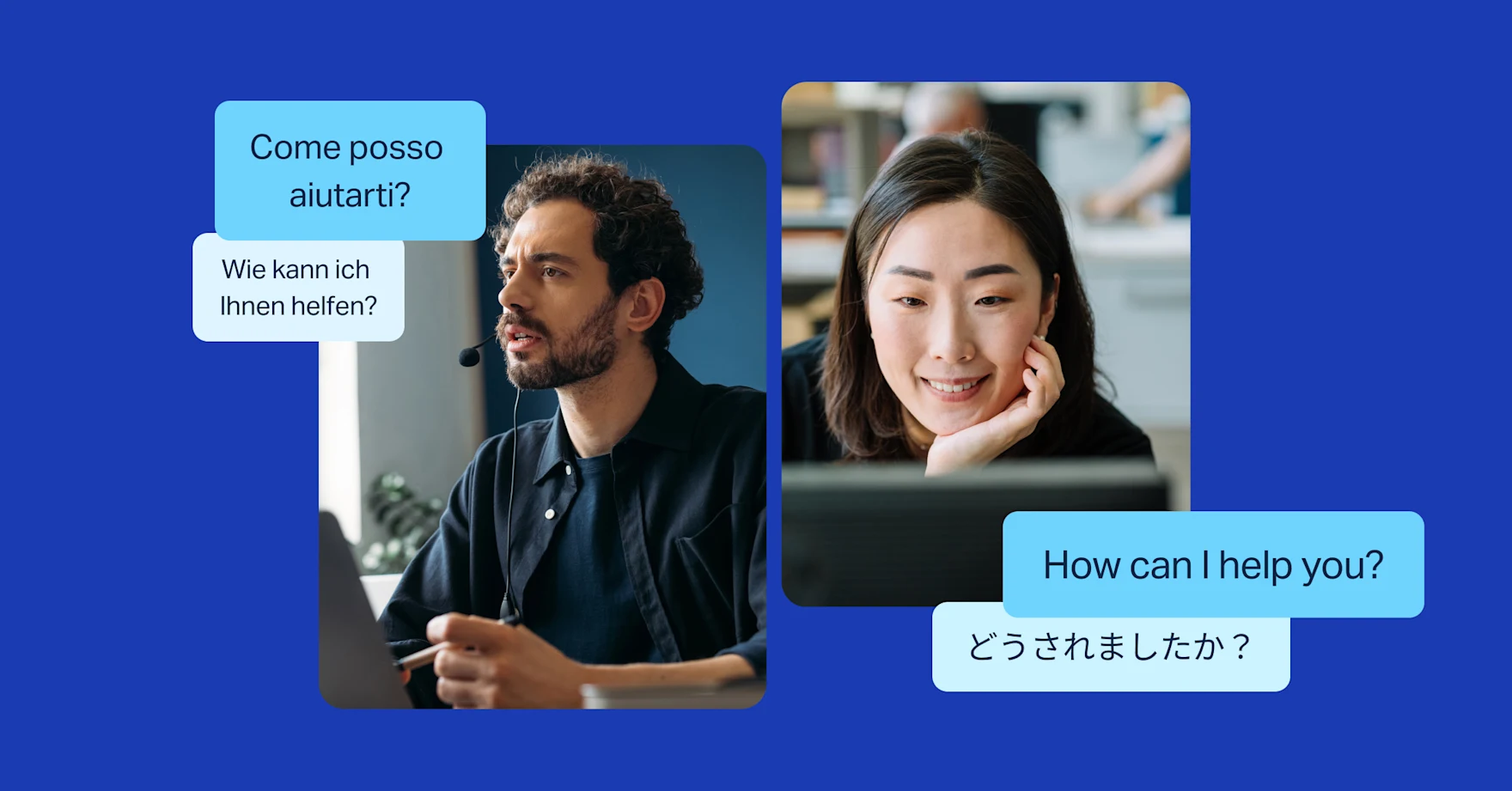
Ekipinizde birinci sınıf bir ajan olduğunu hayal edin. Empatikler, ürünü çok iyi biliyorlar ve her türlü durumu yatıştırabiliyorlar. Ancak müşteri, temsilcinin bilmediği bir dilde aradığı anda, tüm bu yetenekler boşa gider.
Dil bir engel haline geldiğinde, küresel destek karmaşık bir planlama bulmacasına dönüşür; sadece ayak uydurmak için uzman kuyrukları ve "kim hangi Shift'de" gibi konuları dengelemek gerekir. Bu, tüm operasyonunuzu yavaşlatan bir darboğaz yaratır.
Bir iletişim merkezinde, bu hız kaybı bir yükümlülüktür.
Ödeme başarısızlığı, teslimatın yapılmaması veya cihaz arızası gibi durumlarda müşteriler hızlı yardım isterler. Ancak acenteler ve müşteriler aynı dili konuşmadığında, sürtüşmeler artar. Aramalar uzar, müşteriler başka birine aktarılır ve normal sorunlar şikayetlere ve para iadelerine dönüşür.
DeepL Voice API ile tanışın.
2 Şubat'tan itibaren DeepL API Pro kullanıcıları, dil engelini gerçek zamanlı olarak aşabilirler. Ekibinize mevcut araçları içinde çok dilli yetenekler kazandırmanın en kolay yolu budur, ek personel eklemenize gerek kalmaz.
Çalışırken görün
24 Şubat'ta düzenleyeceğimiz web seminerine katılarak DeepL Voice API'nin nasıl çalıştığını görün ve onu operasyonlarınıza entegre etmenin pratik yollarını öğrenin.
Dil, hedeflerinizi sınırlamamalıdır.
İş Süreçleri Dış Kaynak Kullanımı (BPO) firmaları ve iletişim merkezleri için DeepL Voice API, denklemi değiştiriyor. "Şu anda bu dil için müsait bir temsilcimiz var mı?" diye sormak yerine, gerçek zamanlı transkripsiyon ve konuşmayı destekleyen çeviri sayesinde herhangi bir temsilcinin yardımcı olabileceği daha iyi bir gerçeklik tasarlayabilirsiniz.
Yani:
- Daha az aktarma: müşterileri ilk ulaştıkları temsilciyle tutun
- Daha hızlı çözüm: dil uzmanı beklemeden sorunları çözün
- Daha basit işlemler: işe alım çılgınlığı yaşamadan yeni coğrafyalara genişleyin
DeepL Voice'un tüm özelliklerini keşfedin
İşlemlerinize gerçek zamanlı sesli çeviri eklemenin tüm yollarını keşfedin.
DeepL Voice API'dan en çok kimler yararlanır?
DeepL Voice API, sözlü iletişimin ürün olduğu kuruluşlar için geliştirilmiştir. En acil etkiyi gören rolleri vurguladık:
BPO Program Direktörü
Zorluk: hizmet düzeyleri ve marjlar üzerinden değerlendiriliyorsunuz. Yeni bir dil eklemek, haftalarca süren işe alım ve eğitim süreçleri anlamına gelebilir ve bu sürecin, personel sayısını haklı çıkaracak bir hacim sağlayacağı garantisi yoktur.
Çözüm: Dil kapsamını daha hızlı genişletin ve çekirdek ekibinizle daha fazla programı destekleyin. Kapsam artık uzmanların mevcudiyetine bağlı olmadığı için yeni pazarlara girmek daha az riskli hale geliyor.
İletişim Merkezi Operasyonları Lideri
Zorluk: Dil engelleri her aramayı yavaşlatıyor ve çok fazla müşteri aktarımı yapılmasına neden oluyor.
Çözüm: Konuşmayı doğal bir şekilde sürdürerek ekibinizin sorunları ilk denemede çözmesine yardımcı olun, böylece temsilcileriniz "Çeviri yaparken lütfen bekleyin" demek zorunda kalmazlar.
Kalite Güvence Müdürü
Zorluk: Çağrılar birden fazla dilde yapıldığında , kalite kontrolleri yavaş ve tutarsızdır. Birkaç iki dilli gözden geçirmecinin görüşlerine güvenmek, adil bir şekilde koçluk yapmayı zorlaştırır.
Çözüm: Her dilde kalite güvencesini standartlaştırmak için gerçek zamanlı transkripsiyonları kullanın. Bu, değerlendirmelerinizi herkes için daha kolay ve daha adil hale getirir.
Eğitim ve Yetkilendirme Sorumlusu
Zorluk: Yeni çalışanları hızlı bir şekilde yetiştirmek, önlenebilir hataları azaltmak ve en iyi temsilcilerinizin bildiklerini tekrarlanabilir oyun kitaplarına dönüştürmek zorundasınız.
Çözüm: transkripsiyonları ve çevirileri kullanarak her aramadaki kalıpları tespit edin. Bu, bilgi eksikliklerini belirlemenize ve tüm sitelerinizde en iyi uygulamaları anında paylaşmanıza yardımcı olur.
API'yi kullanıma sokmak: dört temel kullanım örneği
İşte ilk günden itibaren etki yaratmanın en etkili yolları:
Her acenteye çok dilli bir yardımcı pilot verin
Ajanlar, konuşmayı takip etmek için uğraşmak yerine, ekranlarında anlık çevirilerle birlikte görüşmenin canlı yayınını izlerler. Temsilci hazır bulunur, müşteri kendini anlaşılmış hisseder ve konuşma odaklanılmış kalır.
Daha akıllı yönlendirmeyi etkinleştirin
Sorunu çözmek için en uygun becerilere sahip kişiye çağrıları yönlendirin. Voice API ile, çağrı sırasında dil ihtiyaçlarını desteklerken, temsilcinin uzmanlığını ve müşterinin niyetini önceliklendirebilirsiniz.
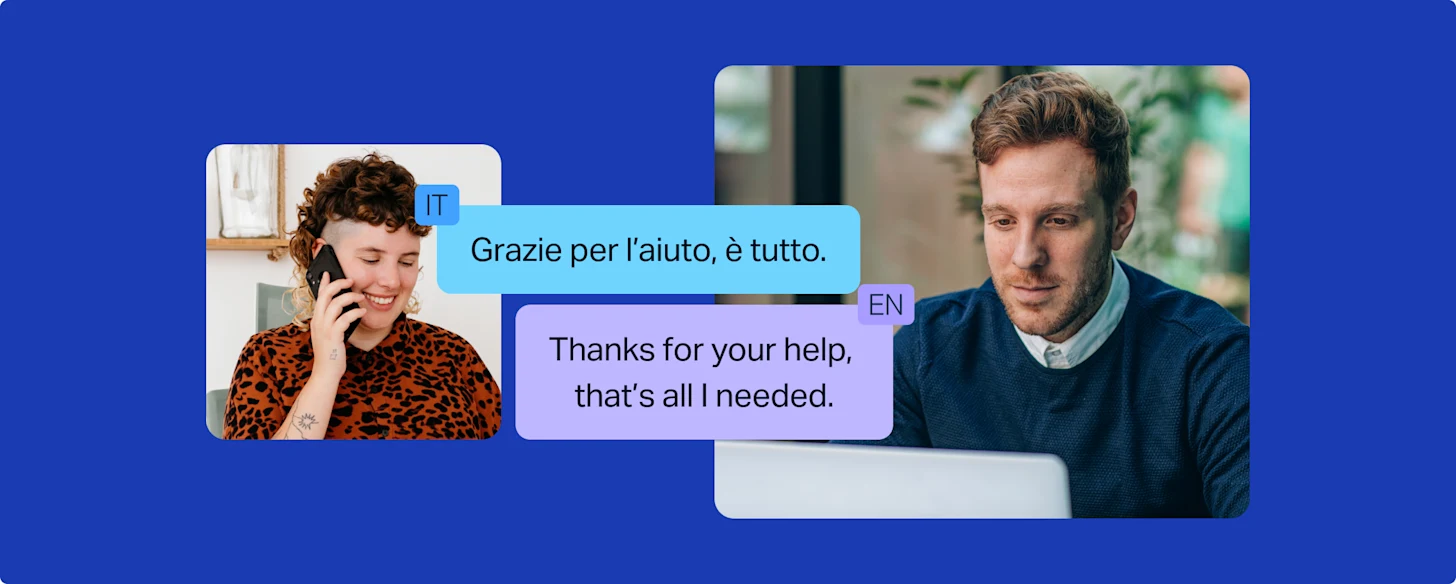
Dünya çapında kaliteyi standartlaştırın
Her aramayı aranabilir, çevrilmiş bir transkripsiyon haline getirerek, her site ve dilde tutarlı bir kalite standardı uygulayabilir, böylece kalıpları daha kolay tespit edebilir ve ekibinizi daha kolay eğitebilirsiniz.
Sorunları daha hızlı bulun ve düzeltin
Her dilde yapılan aramaları analiz edebildiğinizde, tekrarlanan sorunları ve eğitim eksikliklerini çok daha erken fark edersiniz. Bu, müşterilerinizin ihtiyaçlarını ve ekibinizin bu ihtiyaçları nasıl karşılayabileceğini net bir şekilde görebilmeniz anlamına gelir.
DeepL Voice API'yi farklı kılan nedir?
Çoğu Voice çözümü, bazı ödünler gerektirir. Ya hızı tercih edersiniz, ancak doğruluk oranı düşüktür, ya da gerçek bir konuşma için çok yavaş olan iyi çeviriler elde edersiniz. Diğerleri ise yoğun bir iletişim merkezine bağlanmak için çok zor.
DeepL Voice API, işletmenizin gerçekte nasıl çalıştığına göre işlev görür.
Tek bir gerçek zamanlı akışta hem transkripsiyon hem de çeviri sağlar, bu da metnin tam olarak ihtiyaç duyulduğu anda hazır olduğu anlamına gelir.
Ayrıca, operasyonunuzu tek bir küresel ekip haline getirir. Bu, ekranda metin göstermenin ötesinde bir şeydir; daha hızlı hareket etmenizi sağlayan ve temsilci ekranının ötesinde değer katan daha iyi iş akışları oluşturmakla ilgilidir.
Ve kurumsal düzeyde teknolojiden bekleneceği gibi, verileriniz her zaman korunur. İletişim merkezlerinde güvenlik tartışılmaz bir konudur, bu nedenle bilgilerinizi saklamıyoruz veya modellerimizi eğitmek için kullanmıyoruz. Daha fazla bilgi edinin buradan.
Gelecekte neler olacağına dair bir ön izleme
Sınırsız iletişim merkezinin bir sonraki adımı üzerinde çalışmaya başladık bile: sesli çeviri.
Böylece, ekran üzerinde çeviriyi okumak yerine, temsilcileriniz çevrilmiş sesi gerçek zamanlı olarak duyabilecekler. Acil veya duygusal çağrılar için bu çok önemlidir. Bu, temsilcinin konuşurken okumaya çaba harcamadan konuşmaya odaklanmasını sağlar.
DeepL Voice API'nın lansmanı ile birlikte bir beta erken erişim programı başlatıyoruz ve sizin de bu programa katılmanızı çok isteriz. Daha fazla güncelleme için bizi takip etmeye devam edin!
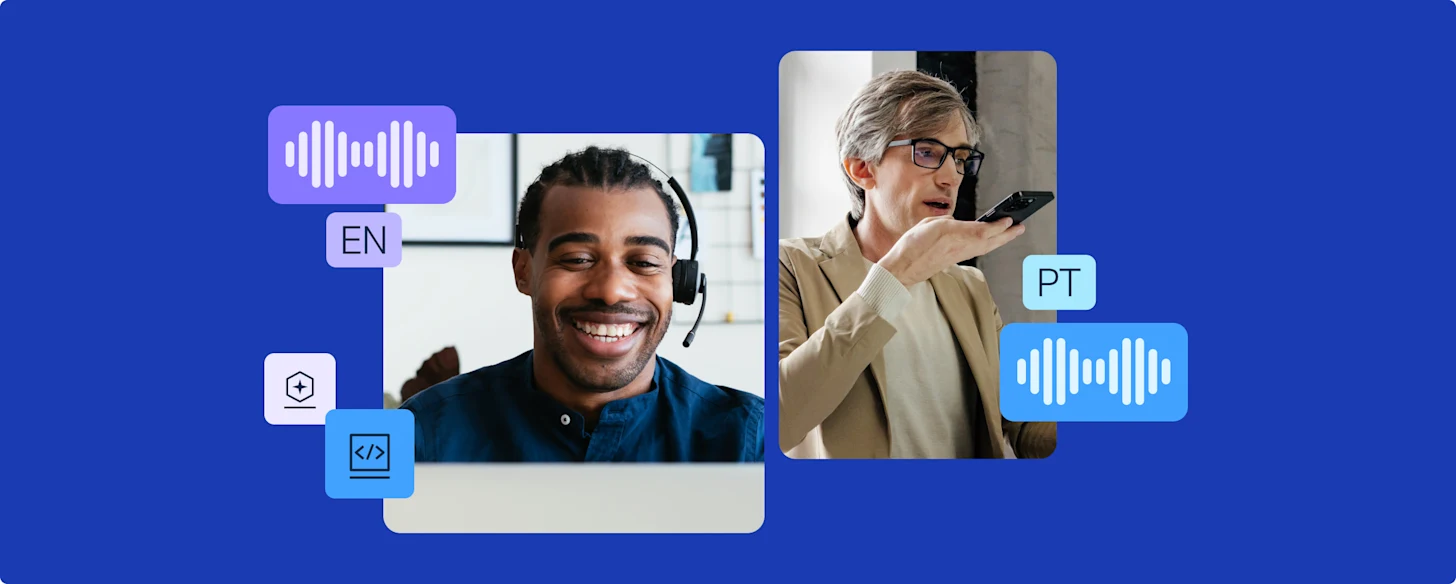
DeepL Voice API'yi çalışırken görün
Küresel bir iletişim merkezini modernize etmek veya daha iyi müşteri temsilcisi deneyimleri oluşturmak istiyorsanız, en iyi başlangıç noktası 24 Şubat'ta düzenleyeceğimiz web semineri olacaktır.
Voice API'nin nasıl çalıştığını tam olarak gösterecek ve bunu BPO veya çağrı merkezi ortamınıza entegre etmenin pratik yollarını paylaşacağız. Diğer ekiplerin performanslarını ve müşteri deneyimlerini iyileştirmek için gerçek zamanlı çeviriyi nasıl kullandıklarını da öğreneceksiniz.