

How JERA empowers knowledge-sharing across languages
As JERA Co., Inc. (JERA) expands its global operations and advances its transformation toward decarbonization, it has seen a growing number of communication opportunities with overseas offices and partners. At the same time, the number of executives and employees who do not speak Japanese has increased, making multilingual communication both inside and outside the company a daily challenge.
To address this, JERA chose DeepL for its high translation accuracy and strong security. The company implemented DeepL for Enterprise for text translation and DeepL Voice for Meetings for real-time speech translation.
As a result, JERA has not only improved the efficiency of document translation, but also enhanced psychological safety in online meetings and enabled more active, two-way discussions.
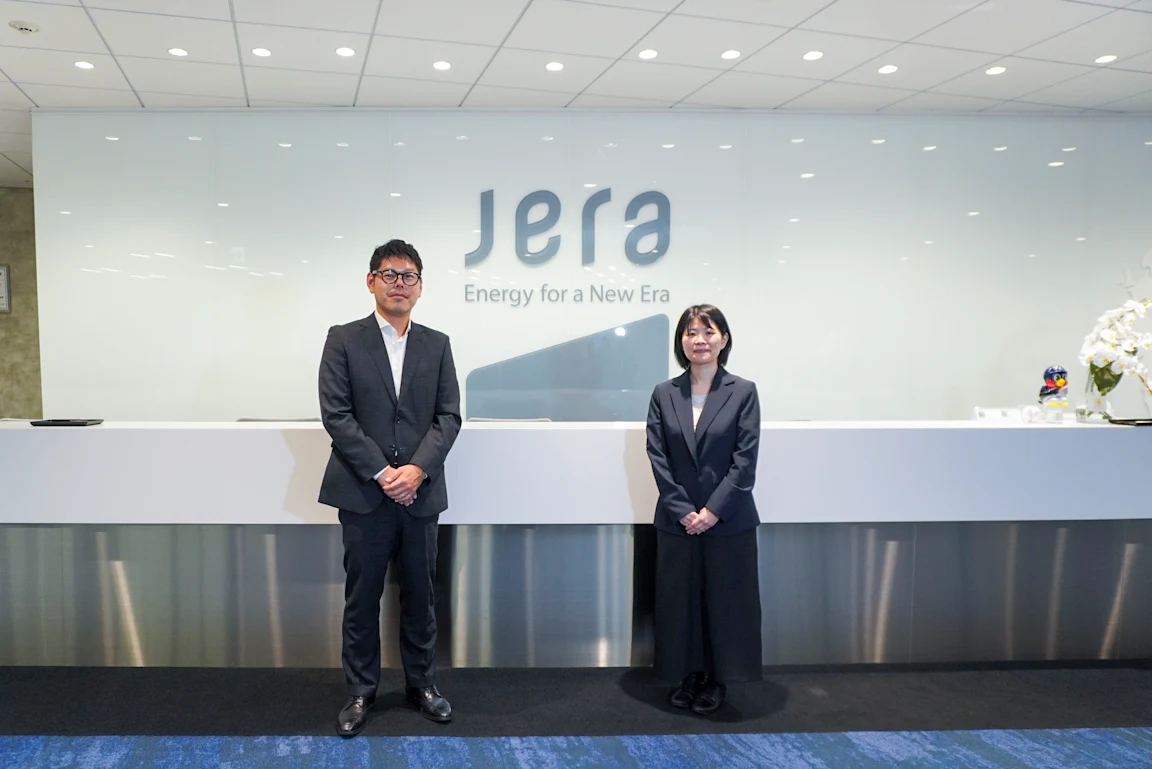
Key takeaways
JERA selected DeepL for accurate translation of specialized terminology in a mission-critical environment, leading to full-scale, company-wide implementation.
Established as the company’s internal translation infrastructure, DeepL reduced document translation time by more than 50%.
Improved psychological safety has revitalized international meetings, enabling more interactive discussions and faster global information sharing.
Customer overview
Guided by its mission, “To provide cutting-edge solutions to the world’s energy issues,” JERA Co., Inc. (or JERA) operates a range of businesses globally, including thermal power and gas operations, fuel, power generation and renewable energy. The company has the largest capacity in Japan and manages one of the largest fuel volumes in the world.
Ensuring more accurate, specialized translation across global operations
As JERA expands its global operations and advances its transformation toward decarbonization, language barriers have continued to grow. This is because the number of executives and employees from overseas offices and partners who don’t speak Japanese has increased, making internal and external communication a daily challenge.
To address this, JERA chose DeepL for its high translation accuracy and security, particularly for specialized documents, and introduced DeepL Voice for Meetings for real-time speech translation. This improved information sharing across languages and enhanced psychological safety in online meetings, enabling more interactive, two-way discussions.
In this article, we spoke with Ryohei Yagi, who was responsible for the implementation, and Asuka Ide, who uses DeepL in her daily work.
As JERA expands its global operations, can you share your current mission and scope of business?
Yagi: Alongside our thermal power and gas businesses in Japan, we operate a fuel business that includes upstream fuel investments and trading, as well as overseas and renewable power generation through investments in facilities abroad.
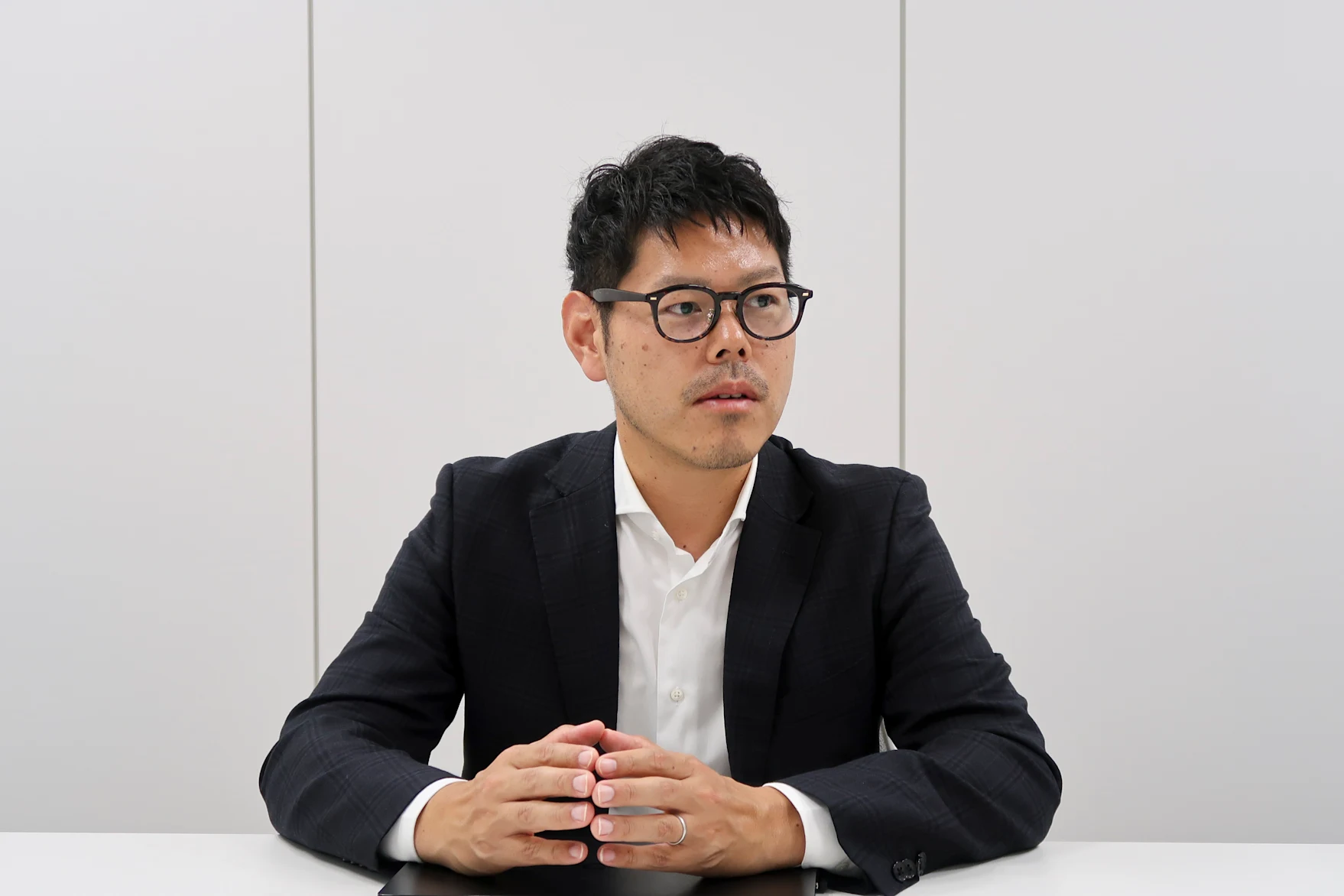
Ryohei Yagi, Assistant Manager, General Affairs Division, JERA Co., Inc.
Yagi: Around the world, efforts to achieve carbon neutrality by 2050 are accelerating, including the expansion of renewable energy and the development of technologies such as hydrogen and CCUS (carbon capture, utilization, and storage). In this context, our mission is to provide cutting-edge solutions, contribute to solving energy challenges, and help realize a decarbonized society.
Our company has a global network spanning the United States, Europe, Asia, the Middle East, and Australia, and we’re actively investing in overseas companies and facilities. Non-Japanese employees now represent around 10% of the workforce, alongside a growing number of executives and employees who do not speak Japanese.
Against this background, multilingual communication—primarily in English—has become increasingly important both internally and externally.
What challenges did you face in multilingual communication?
Yagi: We’d been using another domestically developed translation tool, but the work wasn’t getting any easier. Being a global business, we often have to prepare meeting materials and emails in both Japanese and English. But we were having issues with translation accuracy, in that it still required a considerable amount of proofreading and effort on our end.
Our work heavily relies on specialized and industry-specific terminology, particularly when it comes to contracts and other legal documents relating to business investments.
Even when using translation tools, employees with strong English skills still had to review text line by line. As a result, the burden of translation tended to fall on a limited number of staff.
To address these challenges, we decided to review our tools for both translation accuracy and operational efficiency, which ultimately led to the decision to implement DeepL as the company-wide translation platform.
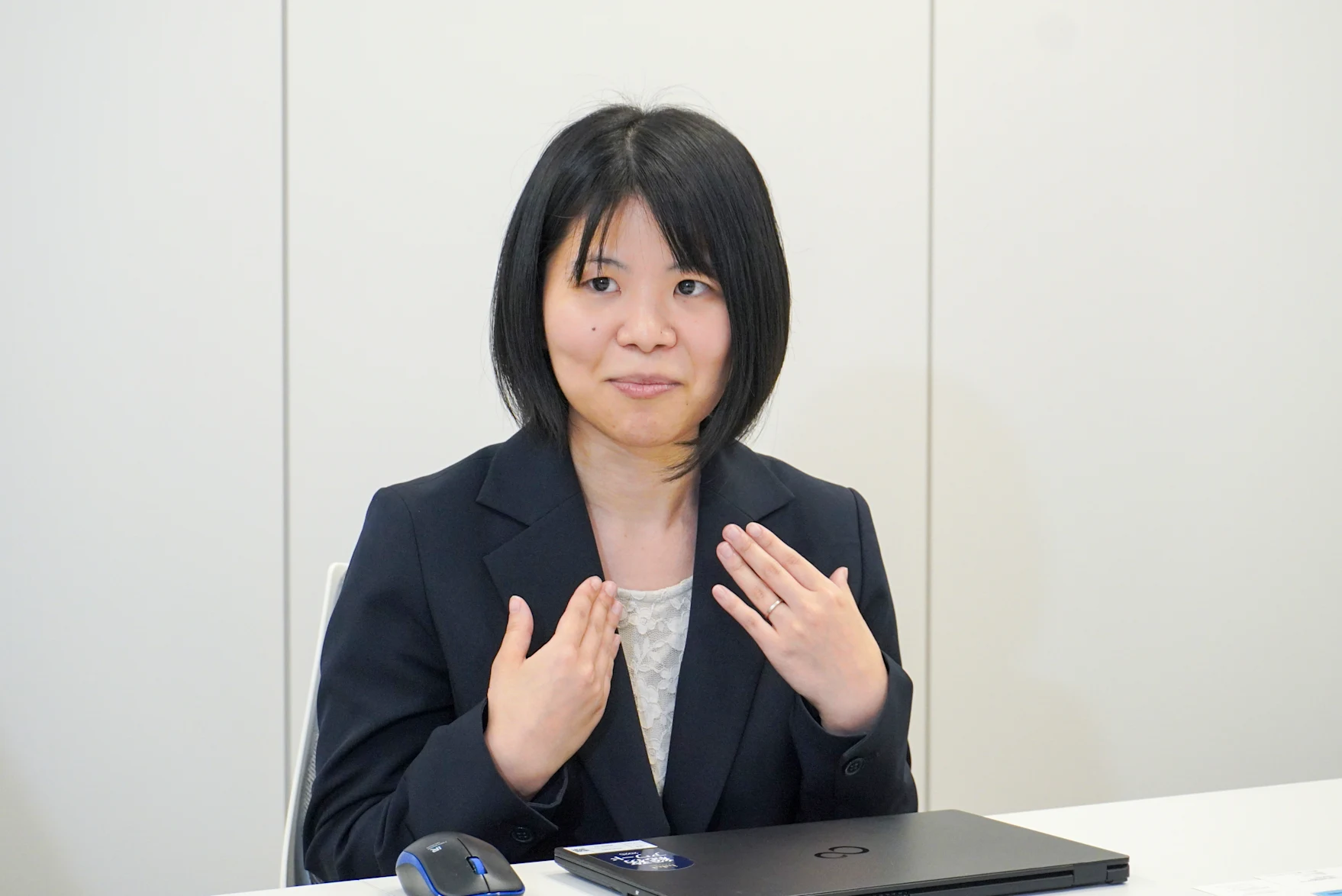
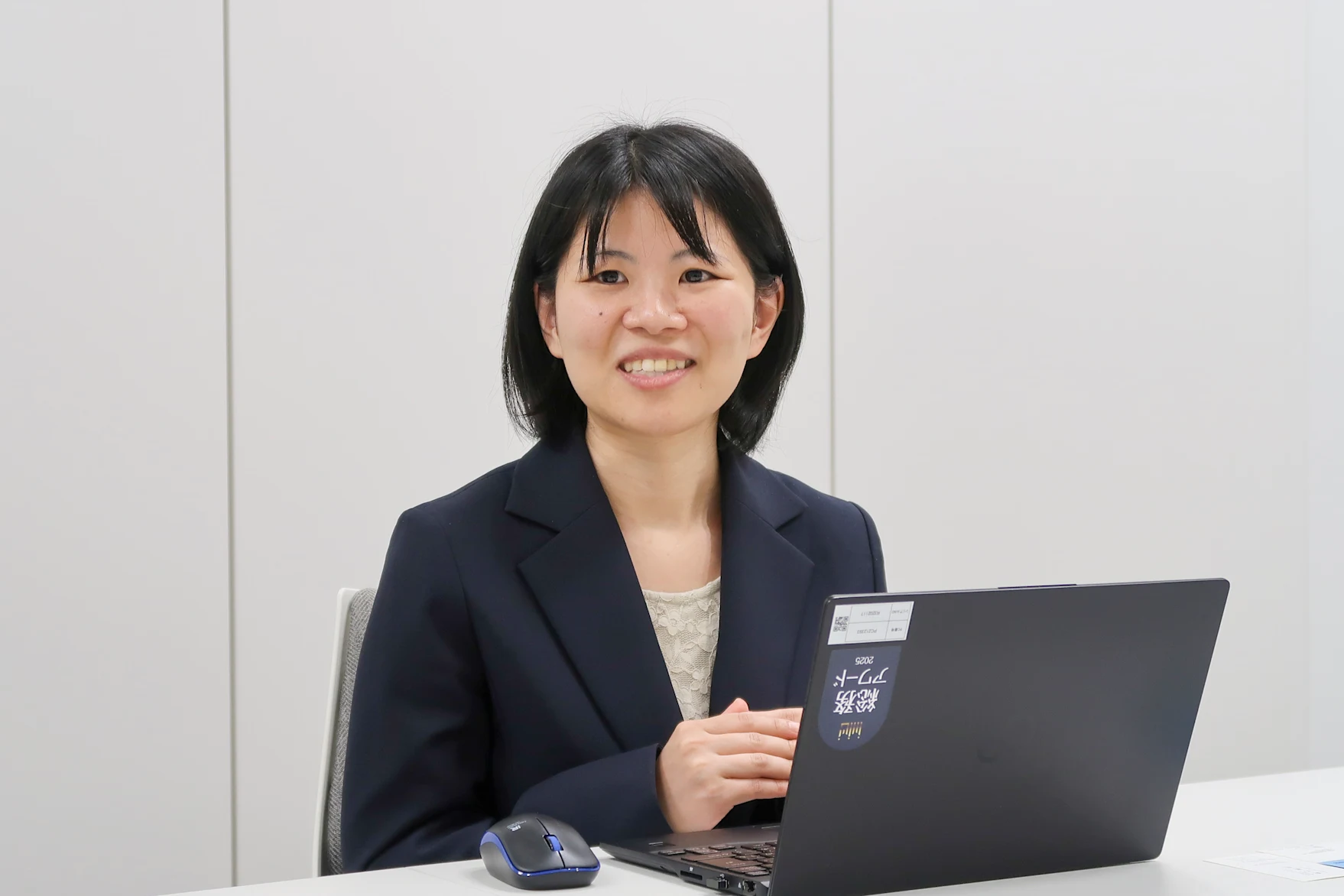
Asuka Ide, Assistant Manager, General Affairs Division, JERA Co., Inc.
Ide: I often experienced challenges in communication during my meetings with overseas group companies. I belong to the General Affairs Department and hold regular monthly meetings with general affairs representatives from our overseas group companies. However, since I’m not particularly confident in my English skills, I often felt anxious in meetings where both Japanese and English were used.
As the meeting facilitator, I need to listen to participants’ comments and respond appropriately, all while managing the discussion. However, there were many occasions where I couldn’t fully understand what was being said in English, so a supervisor had to step in to interpret.
And because not all of our employees are fluent in English, I believe issues like this were happening all over the company.
A clear quality advantage: more accurate, more natural speech translation
What were the key factors that made you choose DeepL?
Yagi: Before the rollout, we’d already been using DeepL with about 100 accounts. As dissatisfaction with our existing translation tool grew, employees began suggesting that we adopt DeepL as our primary translation tool.
We carried out a comparison of our existing translation tool with DeepL, which revealed a clear difference in accuracy. We also conducted an employee survey: the support for DeepL was overwhelming.
In addition, we compared DeepL Voice for Meetings, a real-time speech translation tool for online meetings, with the equivalent function built into the web conferencing tool we’d been using. Here too the difference in quality was noticeable.
One big advantage was how fillers—such as hesitations and backchannel responses like “uh” or “um”—were handled. The web conferencing tool tended to capture and translate those fillers too literally, making the text difficult to read. In contrast, DeepL was able to appropriately process these fillers and translate the speaker’s message in a clearer form.
Another key consideration for us when selecting a translation tool was not only accuracy but also security and governance. We often enter into contracts with overseas partners, part of which involves handling sensitive information belonging to other organizations.
DeepL’s commitment to European standards such as the GDPR reassured us in that regard. After confirming it met our internal requirements, we decided to implement DeepL as our company-wide translation platform.

Precision translation for specialized terminology and more interactive, collaborative meetings
How do you currently use DeepL and what benefits have you experienced?
Yagi: File translation is very popular across many departments. It’s used everywhere from executive meeting materials, overseas partner contracts, and system development documents for international vendors, to recruitment materials for international students, and onboarding documents for non-Japanese employees.
On top of that, we often prepare meeting materials and internal documents in both Japanese and English. DeepL has become an integral part of the translation infrastructure that supports this.
And as the number of employees and executives who aren’t Japanese speakers continues to grow, fast, high-quality translation has become critical to effective information sharing. Thanks to DeepL, we can maintain this practice without it taking up too much time and effort.
One feature that has proven particularly valuable for document translation is the glossary function. By registering pairs of specialized terms and their approved translations within the company, we can ensure they remain consistent in every language.
This is especially important for documents that require strict accuracy, such as contracts. Personally, I’ve felt a clear difference in quality—terms that were difficult to translate accurately with our previous tools can now be translated appropriately by leveraging the glossary.
How has DeepL Voice changed collaboration and the way meetings are conducted?
Ide: DeepL Voice for Meetings is great for non-Japanese employees. On-screen captions make discussions easier to follow and support smoother communication during meetings.
In fact, I felt this change most strongly in the regular meetings I hold with our overseas group companies. Since introducing DeepL Voice, the number of times participants speak up during meetings has increased. In the past, it felt like only Japanese speakers from the headquarters could really contribute.
Now that we don’t have to be overly conscious of language differences, two-way communication has become far more prevalent. Thanks to a greater sense of psychological safety during meetings, I’ve noticed we’re exchanging opinions more freely.
Some international participants do speak a little Japanese, but when discussions are able to take place in English, it creates a sense of reassurance for both sides and allows conversations to flow more naturally. We no longer need to rely so heavily on English-speaking interpreters, which has also reduced the burden on me as the meeting facilitator.
Survey results also show that participant satisfaction in regular meetings has continued to increase since the introduction of DeepL Voice. I believe similar changes are likely occurring in many other departments too.
How well does DeepL Voice for Meetings support the goal of strengthening group collaboration?
Ide: The original purpose of our regular meetings was to strengthen collaboration among group companies, enabling smoother information sharing and the development of better initiatives. When only speakers of a particular language can contribute, that objective can never be fully achieved. In that sense, I believe DeepL Voice for Meetings has led to a stronger sense of unity within our global organization.
Another significant change is our improved ability to capture local perspectives during meetings. In the past, discussions were led primarily by staff sent from Japan or those based at headquarters.
Now that local staff find it easier to speak up, we can share information that more accurately reflects on-the-ground realities.
And because comments can be confirmed in text, even contributions from those who aren’t confident in English or who aren’t native English speakers can be clearly understood. As a result, we’re now better able to incorporate the knowledge and experience of frontline teams into our discussions without missing out on any valuable insights.
Beyond operational efficiency, what broader impact has DeepL had on the business?
Yagi: I believe the impact has been significant. Within the company, there are certainly employees who can use English at a native level. However, at operational sites such as power plants, there are many employees who have built up extensive experience and expertise through hands-on work, but who aren’t particularly confident in English, so struggle to share that knowledge.
At the same time, our company is actively pursuing global expansion and promoting talent exchange with overseas locations. In this context, a gap can sometimes arise between the direction the company aims to take and the realities on the ground. I believe DeepL has the potential to bridge that gap.
For example, in Southeast Asia, coal-fired power remains a major source of electricity. Japan’s coal-fired power technology is world-leading in terms of thermal efficiency and CO₂ emissions performance, and we’d like to expand it overseas. But if we allow language barriers to get in our way, then that represents a lost opportunity.
With DeepL, we aim to ensure that valuable field knowledge is no longer constrained by language barriers, and instead contributes to broader global business development.
Breaking down language barriers to accelerate global business growth
How do you plan to use DeepL going forward?
Yagi: Looking ahead, we want to expand the use of DeepL to more operational sites such as power plants.
As mentioned earlier, our mission is to provide cutting-edge solutions to the world. To achieve this, one of our key strengths lies in the operational know-how and knowledge that our parent companies have cultivated over many years at sites such as power plants. For example, we operate the Hekinan Thermal Power Station, one of the largest coal-fired power plants in Japan, whose technological capabilities has attracted attention worldwide. Employees working on-site are true experts in coal-fired power generation. But those employees won’t necessarily be fluent in English.
So as we continue to expand our technologies and expertise globally, overcoming language barriers to share on-site knowledge and expertise will become ever more essential. Many of our employees in the field possess deep experience in highly specialized areas, so it’s vital that we create an environment where such knowledge can be deployed regardless of language.
In addition, our company is actively engaged in technical exchanges with overseas partners, and cross-border collaboration in general is increasing. Removing language barriers will be essential to further advancing these initiatives.
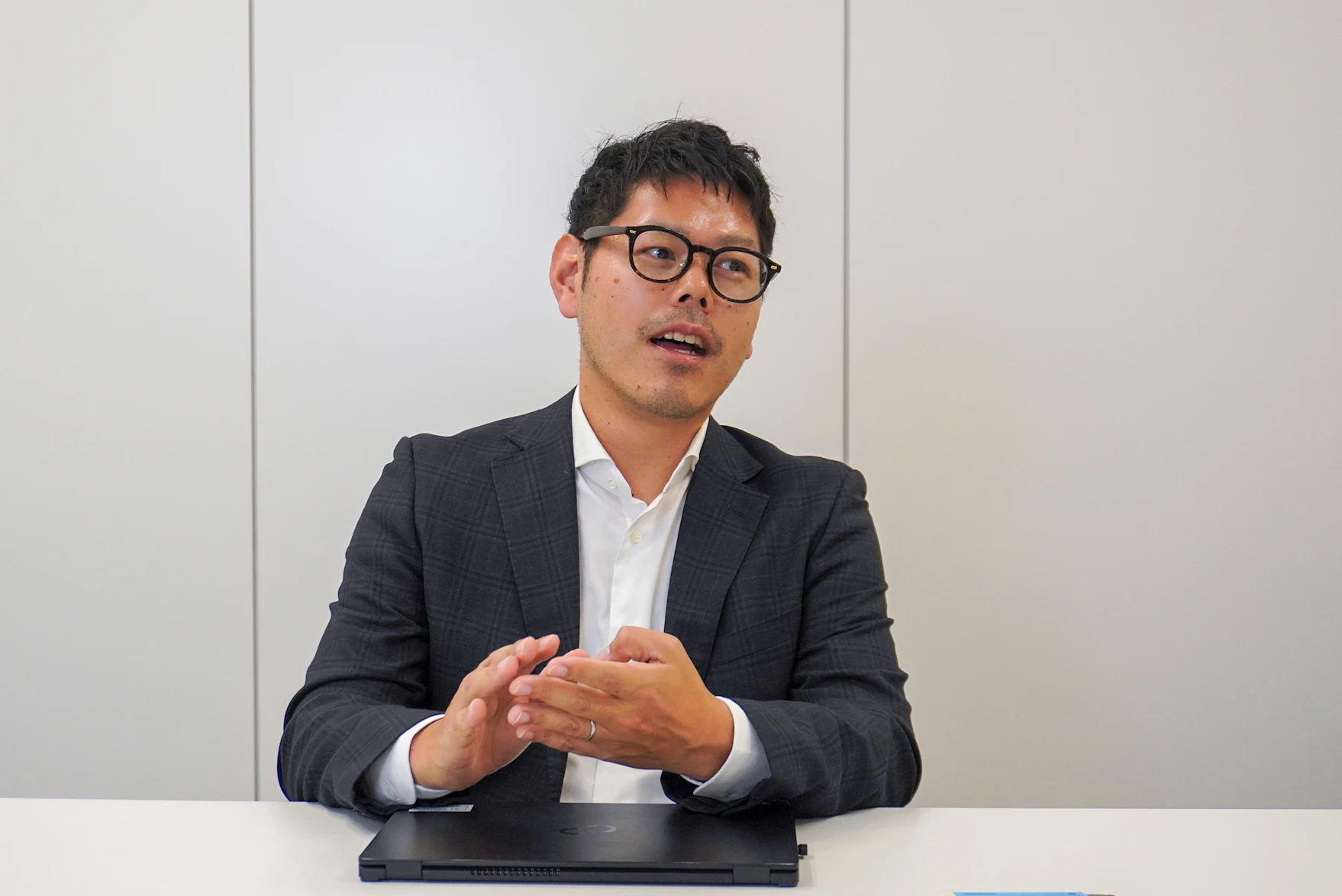
Yagi: I was recently transferred from company headquarters to the Hitachinaka Thermal Power Station, where I began working more closely with initiatives on-site. Next year, a Filipino student who doesn’t speak Japanese will join us, making clear communication essential for safety management and incident response. In these scenarios, DeepL will be invaluable for accurately translating content that includes specialized terminology.
As an example, we hold a daily morning meeting on Microsoft Teams with around 80 participants. DeepL Voice for Meetings empowers those who don’t understand Japanese to still follow the discussion and participate in information sharing. This also contributes to a greater sense of security at the operational site.
Going forward, we aim to use DeepL to continue building an environment where no one feels discouraged from speaking up or following discussions. We want expertise to flow globally, unhindered by language barriers, accelerating our global business and helping to fulfill our mission.
Garanta que todas as vozes são compreendidas com tradução de voz em tempo real
O DeepL Voice dá voz a todas as vozes, seja em conversas presenciais na linha da frente ou em reuniões virtuais de equipas multilingues. As legendas traduzidas em tempo real permitem que cada pessoa comunique no idioma que lhe é mais natural, e as integrações com o Zoom Meetings e o Microsoft Teams tornam as reuniões mais inclusivas nas plataformas de videoconferência mais populares.
Neste artigo
- Ensuring more accurate, specialized translation across global operations
- As JERA expands its global operations, can you share your current mission and scope of business?
- What challenges did you face in multilingual communication?
- A clear quality advantage: more accurate, more natural speech translation
- What were the key factors that made you choose DeepL?
- Precision translation for specialized terminology and more interactive, collaborative meetings
- How do you currently use DeepL and what benefits have you experienced?
- How has DeepL Voice changed collaboration and the way meetings are conducted?
- How well does DeepL Voice for Meetings support the goal of strengthening group collaboration?
- Beyond operational efficiency, what broader impact has DeepL had on the business?
- Breaking down language barriers to accelerate global business growth
- How do you plan to use DeepL going forward?
Tire proveito da avançada IA linguística do DeepL
Descubra como a sua equipa pode transformar a comunicação internacional com uma solução abrangente que dá resposta a todas as suas necessidades linguísticas.