

Нова ера для пам’яті перекладів: розумні збіги, прискорені перевірки та набагато більший вплив
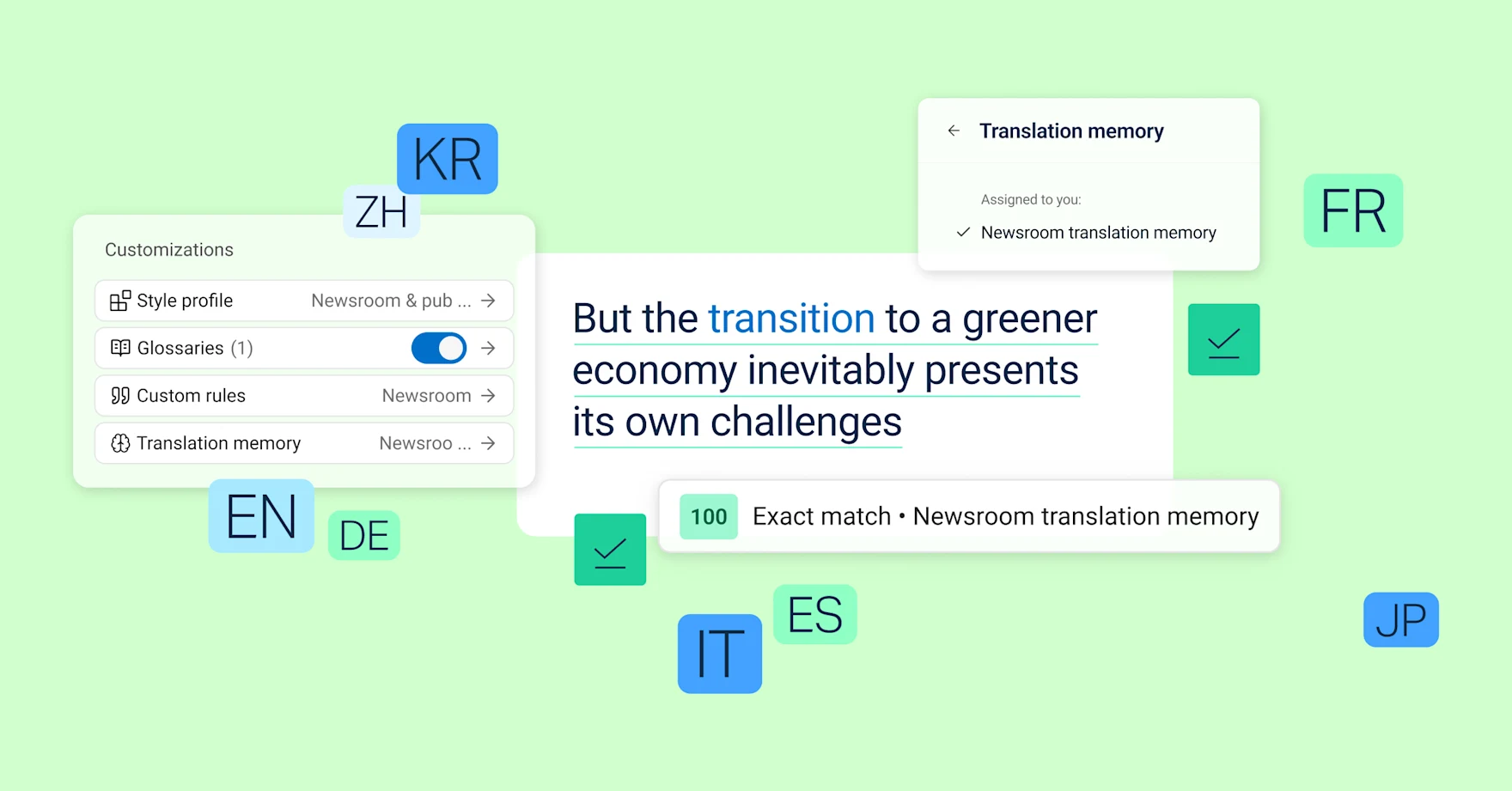
5 листопада на DeepL Dialogues Berlin ми оголосили про запуск пам’яті перекладів у DeepL. Це означає, що ви зможете використовувати раніше затверджені переклади щоразу, коли вони будуть доречними на нашій платформі. Але це ще не все. Оскільки ми поєднуємо пам'ять перекладів з унікальними здатностями штучного інтелекту DeepL, вона може зробити для вас набагато більше. Ось чому це важливо.
Перспективи пам’яті перекладів
Людська пам'ять — це дивовижна річ, яка відіграє важливу роль у забезпеченні ефективності роботи людей. Вони миттєво викликаються, коли це потрібно. Вони керують нашою поведінкою. Вони допомагають нам виконувати завдання автоматично, не замислюючись над ними. Усі ці речі допомагають нам стати тими, ким ми є.
Пам’ять перекладів призначена для виконання подібних завдань. Ідея полягає в тому, що вони запам'ятовують, коли фрагмент тексту вже перекладався раніше, і відтворюють переклад, щоб ви могли ним скористатися. Це має зменшити кількість помилок та забезпечити послідовність перекладів. Це допоможе забезпечити, щоб ваш бренд завжди сприймався однаково. Перш за все, це має заощадити час ваших команд з локалізації.
Дорогі хитрощі, які використовують традиційні пам’яті перекладів
Проблема в тому, що пам’ять перекладів важко впоратися з цією роллю. Занадто часто це пам'ять, на яку не можна покластися. Команди можуть витрачати менше часу на переклад подібних фрагментів тексту. Однак цей зекономлений час витрачається на перевірку того, чи правильно застосовано пам’ять перекладів. Чи є пам’яті перекладів актуальними? Чи справді вони відповідають контексту, в якому їх використовують? Це питання, які перекладачі-люди задають собі знову і знову.
Те, що для перекладачів є повторюваним і трудомістким, швидко стає дорогим ризиком для організацій. Якщо вони користуються послугами зовнішнього постачальника мовних послуг, їм часто доводиться платити за кожну поправку. Коли пам’ять перекладів є незручною та застарілою, витрати швидко зростають. Проекти з локалізації стикаються з непередбачуваними затримками, оскільки економія часу не реалізується. Страждає операційна ефективність.
Також існує ризик, що пам’ять перекладів збереже помилки, які редактори пропустили в минулому. Якщо це станеться, ці помилки повторюватимуться щоразу, коли використовується пам’ять перекладів. Пам’ять перекладів є настільки точною та корисною, наскільки точними та корисними є оригінальні переклади, які вона запам’ятовує.
Зміна цінності пам’яті перекладів за допомогою ШІ
Ці проблеми виникають тому, що пам’яті перекладів не є динамічними, інтелектуальними ресурсами, що працюють на основі ШІ. Це статичні довідкові інструменти. Вони покладаються на людей для управління та оновлення. Вони потребують редакторів, щоб переконатися, що вони актуальні, і що переклади, які вони відтворюють, працюють у новому контексті. На все це потрібен час.
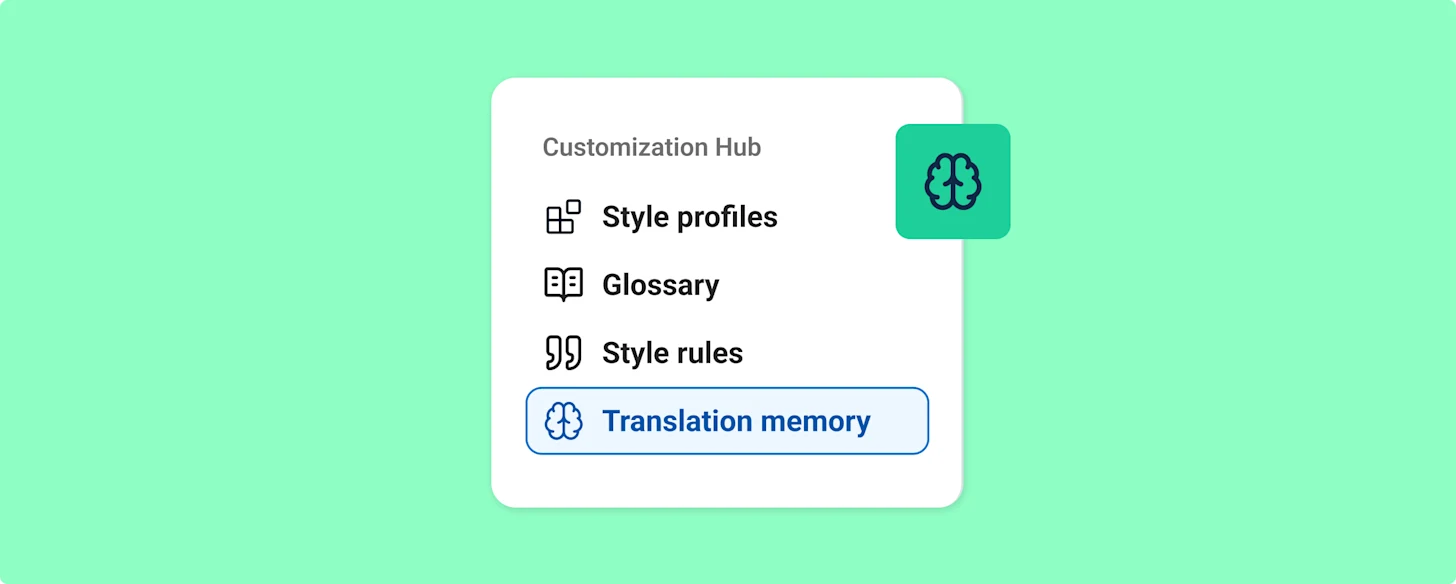
Коли ви підключаєте пам’ять перекладів до ШІ, все починає змінюватися. Саме це зробив DeepL, зробивши пам’ять перекладів основним елементом DeepL Customization Hub. Це означає, що, вивантажуючи файл пам’яті перекладів на DeepL, ви можете використовувати його набагато ширше та заощадити значно більше часу.
Точне зіставлення пам'яті, якому можна довіряти
Завдяки точності та правильності мовного ШІ DeepL ви можете бути впевнені, що точні збіги, які виявляє DeepL, дійсно відповідають попереднім перекладам у вашій пам’яті перекладів. Ця впевненість вирізає час на перевірку. У багатьох випадках перевірка людиною взагалі не потрібна.
Вирізайте час на виправленнях та коригуваннях під час постредагування
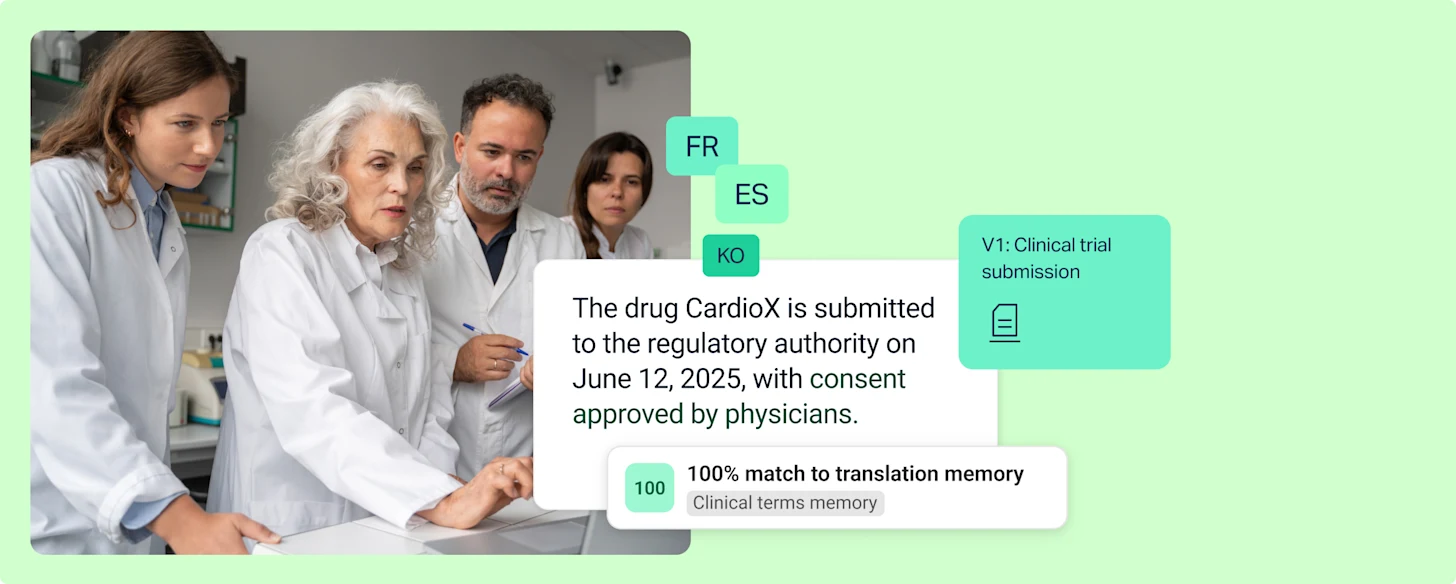
DeepL не просто повідомляє вас про потенційні, часткові «нечіткі» збіги в пам’яті перекладів. Він працює разом з вами, щоб покращити ці збіги, спрощуючи їхнє ширше застосування та значно скорочуючи час на редагування, при цьому залишаючи контроль у ваших руках. Це означає, що пам’ять перекладів можна використовувати для набагато більшої кількості текстових фрагментів. З кожним використанням вони потребують дедалі менше втручання з боку людини.
У DeepL ви можете встановити власні порогові значення, щоб визначити, наскільки близьким має бути збіг, щоб використовувати пам’ять перекладів. Потім здатність DeepL до розумного збігу використовує ШІ, щоб адаптувати пам'ять під ваші потреби. DeepL усуває розбіжності, коригує граматику та оновлює змінні, такі як дати та інші елементи. Завдяки таким проактивним пропозиціям час і витрати на редагування зникають. Пам’ять перекладів виконує за вас набагато більше роботи.
Поєднайте пам’ять перекладів із набором функцій налаштування команди
На DeepL пам’яті перекладів не працюють самостійно. Вони поєднуються з трьома іншими потужними функціями налаштування в DeepL Customization Hub: глосаріями, правилами стилю та профілями стилю. Разом вони створюють переклади, які ідеально підходять для вашого бізнесу та вимагають набагато менше часу на редагування.
DeepL Глосарії дозволяє встановити переклади конкретних термінів, щоб ваша експертиза та голос бренду завжди були чутними. Правила стилю забезпечують дотримання ваших налаштувань щодо тону, фраз, форматування та іншого. Профілі стилів додають точності у використанні пам’яті перекладів. Ви можете точно вказати, які пам’яті перекладів є правильними та доречними для кожного проєкту.
Рівень управління ШІ, який є таким же інтуїтивним і миттєвим, як людська пам'ять
Ваша пам’ять перекладів на DeepL може використовувати той самий файл TMX, що й на інших платформах, але ШІ DeepL трансформує здатності цієї пам’яті. Це допомагає вам працювати з вражаючою ефективністю, залишаючись вірним голосу вашого бренду та вашій ідентичності. Це економить стільки часу, що все здається бездоганним. Насправді, це дуже схоже на людську пам'ять.
Дізнайтеся більше про можливості пам’яті перекладів на DeepL тут.