

Sumitomo Corporation Accelerates Global Decision-Making with DeepL
With offices around the world, Sumitomo Corporation adopted DeepL company-wide as part of its medium-term management plan to build new value creation models that leverage digital and AI technologies across all business sectors, contributing to the transformation of society and industry.
By addressing challenges such as inconsistent translation quality, high outsourcing costs, and delays of several business days, the company has reduced translation work by more than half. DeepL is helping Sumitomo Corporation accelerate decision-making and build a foundation for sharing knowledge across its global organization.
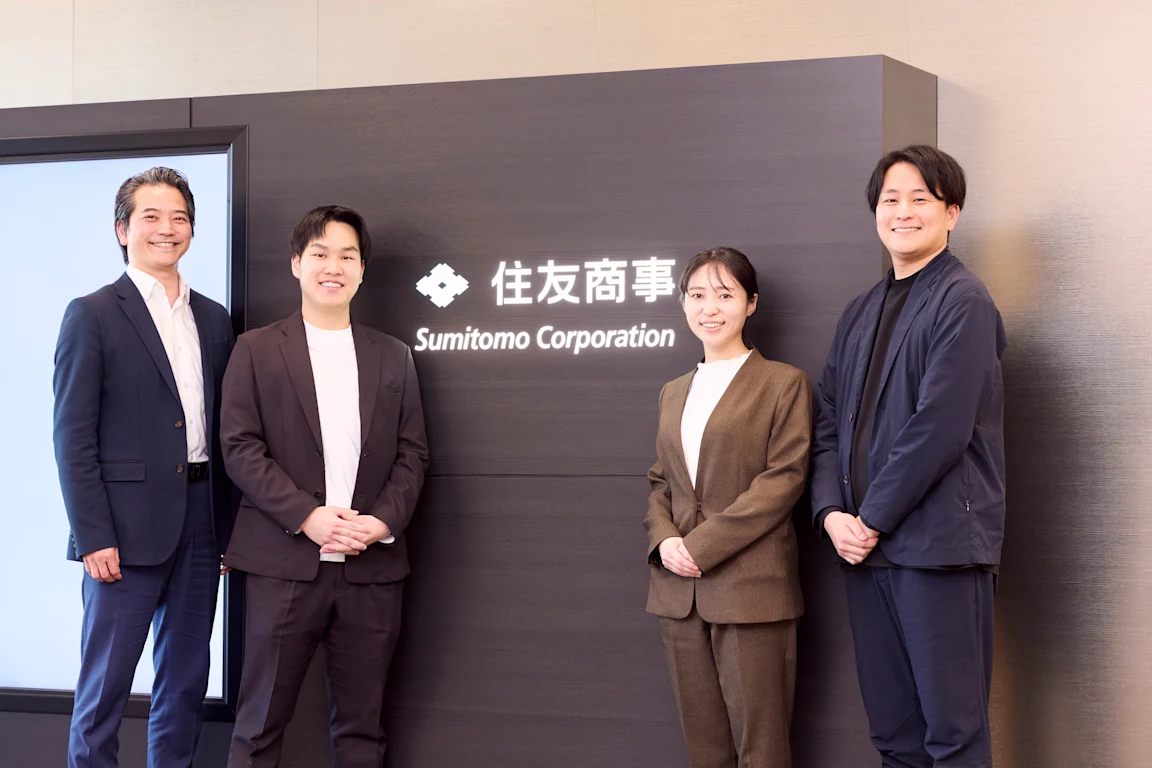
Key takeaways
・High translation quality, combined with a licensing model designed for large-scale deployment and internationally recognized security certifications
・Reduced risk of mistranslation through glossary management, with the ability to translate files while preserving the original layout
・Translation work reduced by more than half, with significant reductions in external outsourcing costs
123
locations in 62 countries50%+
reduction in translation time90%+
user satisfaction
Faster communication is essential to operating as one global organization
Operating across 123 locations in 62 countries, Sumitomo Corporation brings together expertise across ten business groups, including Energy Transformation, Transportation & Construction Systems, and Digital AI. Across each business area, the company aims to anticipate changes in markets and society, create value beyond traditional industry boundaries, and help solve social challenges while enhancing corporate value.
As collaboration across business groups and regions became increasingly important, the company faced challenges that made fast communication more difficult. Translation quality varied, external translation costs were high, and multilingual workflows often created delays of several business days. As a result, information sharing could be delayed, misunderstandings could arise, and the risk of slower decision-making and missed opportunities continued to grow.
To address these challenges, Sumitomo Corporation has been advancing company-wide digital transformation under its medium-term management plan, guided by the principle of strengthening and growing its business through digital technologies. Under its Digital & AI Strategy, known as DAIS, the company is promoting DX across the organization. Together with SCSK Corporation, the core IT company of the Sumitomo Corporation Group, which became a wholly owned subsidiary in 2025, the Group is using digital technologies and AI to create new businesses and enhance existing ones.
Sumitomo Corporation views AI not simply as a tool for improving efficiency, but as a source of competitive advantage.
AI’s advanced ability to collect, analyze, and process information is changing both the speed and quality of decision-making. At the same time, the company believes it is essential to combine these capabilities with human experience, thinking, and tacit knowledge. With DAIS at the center of this approach, Sumitomo Corporation is working to evolve into an “integrated trading and investment company that generates profits through digital and AI.”
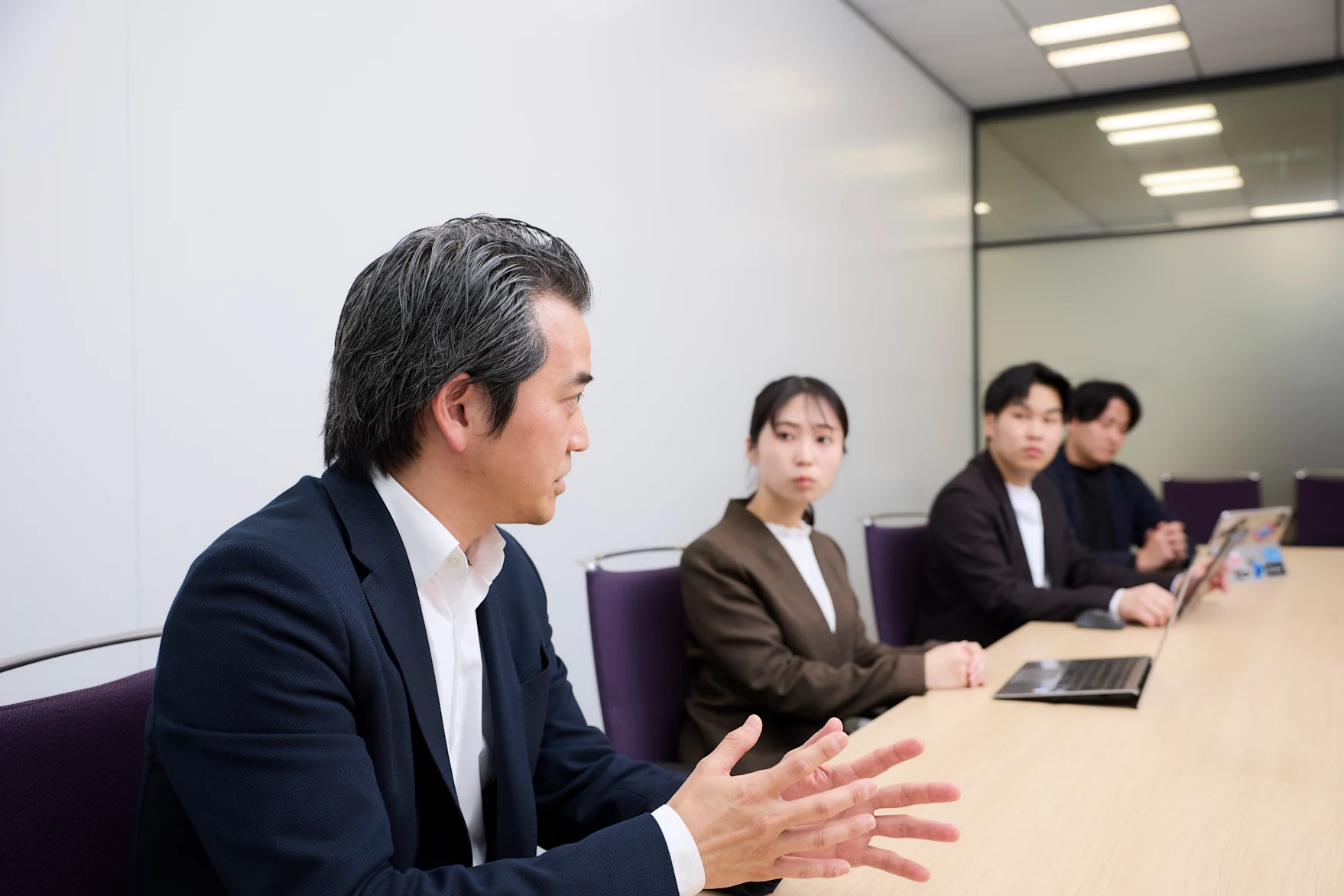
Mr. Koji Miyoshi, General Manager of the IT Planning & Promotion Department, explains the objectives behind the company’s DX strategy:
”Our DX strategy is built around two major pillars. The first is to enhance the competitive advantage and profitability of our business segments by using digital technologies and AI. The second is to modernize and streamline our management and business foundations, enabling resources to shift from routine work to higher-value activities. Achieving both is essential to our sustainable growth.”
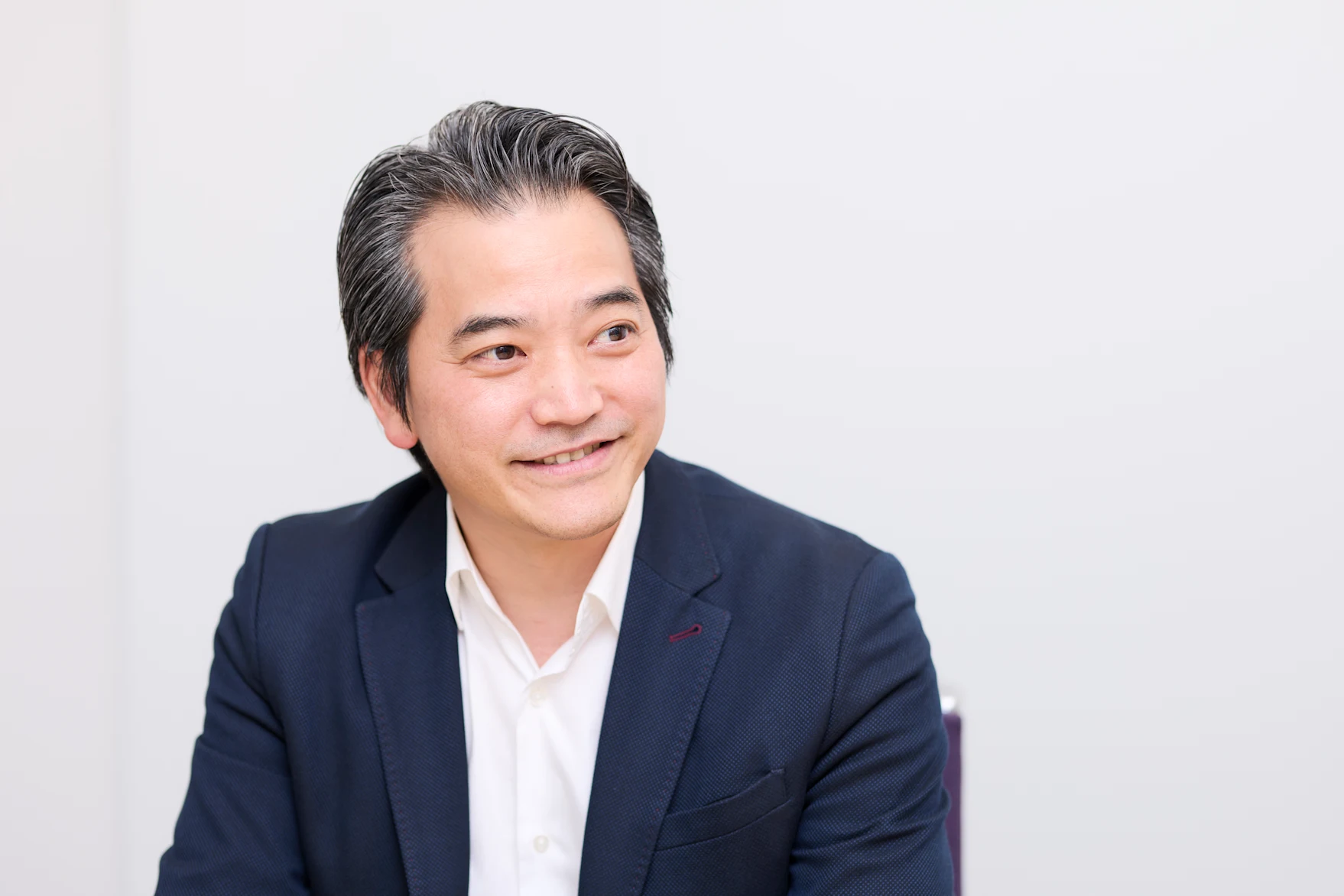
Mr.Koji Miyoshi, General Manager, IT Planning & Promotion Department
Sumitomo Corporation’s medium-term management plan sets out a vision for operating its global businesses as one integrated organization while strengthening collaboration across business units and corporate functions. To make this vision a reality, faster communication and decision-making across borders became essential.
”Communication is the foundation of how people work together. We believed that by lowering language barriers, we could accelerate global operations across both our businesses and management foundations.”
Against this backdrop, Sumitomo Corporation adopted DeepL company-wide as a high-accuracy Language AI service to help remove language barriers and accelerate integrated global operations.
Exceptional translation quality and a flexible licensing model drive adoption
For Sumitomo Corporation, which conducts business globally, multilingual communication occurs frequently not only across corporate functions but also across individual business groups. The company had therefore been using translation tools on an enterprise-wide and ongoing basis since around 2018.
However, as global business became more complex, the need for a more accurate translation tool continued to grow. Looking back on the situation at the time, Mr. Kazuaki Asada of Infrastructure System Team 2 in the IT Planning & Promotion Department recalls:
”In corporate functions, we needed a multilingual translation tool that would allow strategic materials created in Japanese at headquarters to be properly understood by overseas offices, including those in non-English-speaking regions. At the same time, as our business expanded in regions such as Africa and Latin America, local languages became increasingly important in negotiations with governments and partners. This created a company-wide need for a multilingual translation tool that could support work across both corporate functions and business groups.”
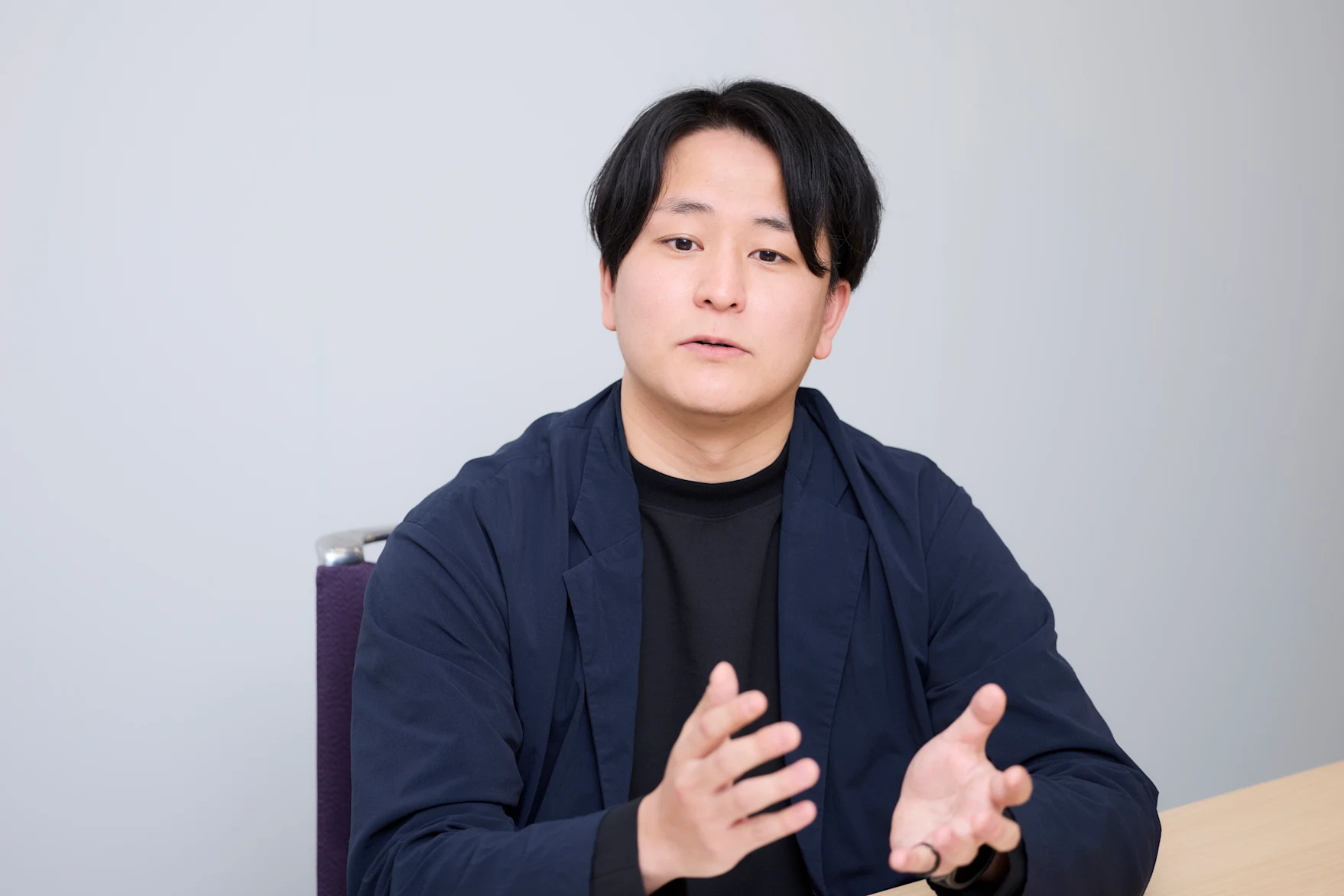
Mr. Kazuaki Asada, Infrastructure System Team No.2, IT Planning & Promotion Department, Sumitomo Corporation
Mr. Kazuki Ueda, also of the Infrastructure System Team No.2 in the IT Planning & Promotion Department, reflects on the limitations of the tools themselves:
”Previous translation tools did not always provide sufficient translation quality, and the number of supported languages was limited. File compatibility was another issue. For example, users could not translate a PDF file and output it again in PDF format, which meant they had to convert the file themselves. This created unnecessary interruptions in day-to-day work.”
Concerns around translation quality created additional burdens, including the need for double-checking. Reflecting on his time in the Corporate Communications Department, Mr. Asada remembers, ”When we communicated globally through the corporate website, it was difficult to fully judge the accuracy of content translated from Japanese into multiple languages. We would often copy the text into Excel and ask colleagues in overseas offices to check and revise it. It was a process that required considerable time and effort.”
Many departments had also become accustomed to outsourcing translation work. In some cases, content translated internally was sent to external vendors for additional checking. This dependence on external support created substantial outsourcing costs and delays of several business days, becoming a significant constraint on business operations.
Selecting DeepL as a company-wide solution
To solve these challenges, Sumitomo Corporation adopted DeepL. The decision was driven not only by DeepL’s exceptional translation quality, but also by its intuitive usability, strong security standards, and flexible licensing model suited to large-scale enterprise use.
Employee feedback also strongly supported the decision. Mr. Asada explains, ”We were already aware of DeepL’s high translation quality and ease of use, but the results of our company-wide survey gave us another important reason to move forward. More than 80% of respondents said translation tools were necessary for their work, and DeepL was the tool they most wanted to use.”
Security was another important factor, with DeepL meeting Sumitomo Corporation’s requirements for enterprise deployment. Mr. Ueda adds, ”As we were also considering deployment across our European offices, DeepL’s GDPR readiness and international certifications, including ISO 27001, were important reasons for selecting the platform. Meeting these international standards is essential for enterprise use, and it gave us confidence as we moved forward with deployment.”

Mr. Kazuki Ueda, Infrastructure System Team No.2, IT Planning & Promotion Department, Sumitomo Corporation
The availability of DeepL for Enterprise was another factor that supported the decision. In addition to a flexible licensing model based on the number of users, DeepL for Enterprise enables efficient identity management through single sign-on, making it suitable for large-scale operations with tens of thousands of users.
From PoC to company-wide rollout, supported by DeepL Japan’s rapid response
Following this selection process, Sumitomo Corporation formally launched its company-wide DeepL deployment project in 2025. Mr. Ueda describes the initial proof of concept:
”We first conducted a proof of concept over approximately one month with a project team of around five people. We focused on evaluating the usability of the user interface and whether the glossary function could meet practical business needs. As a result, we determined that DeepL could be used effectively in real business settings and moved forward with a company-wide rollout.”
DeepL Japan’s fast and comprehensive support also played a major role during implementation. One example was single sign-on integration, which was required to meet Sumitomo Corporation’s security standards.
Mr. Asada explains, ”Under our zero-trust environment, ID and password authentication is generally not permitted, so integration with Microsoft Entra ID for single sign-on was required. At the time, however, seamless SSO integration with Microsoft Entra ID had not yet been implemented, which meant users would have to go through one additional login step. We briefly considered accepting this as a compromise, but on the day of release, DeepL Japan worked closely with engineers at the global headquarters to implement the necessary system changes and enable SSO integration. We were genuinely impressed by DeepL’s technical capabilities and the level of support they provided.”
Following the company-wide rollout, DeepL became firmly established as a translation foundation for day-to-day operations. Sumitomo Corporation also clarified how DeepL should be used alongside other generative AI tools deployed internally. Mr. Ueda explains the distinction: ”Other generative AI tools are particularly strong in areas such as chat and internal communications. DeepL, on the other hand, is responsible for translating entire PDF and PowerPoint files, as well as ensuring consistent terminology through its glossary function. We position DeepL as our standard translation tool.”
Reducing translation work by more than half
The introduction of DeepL has delivered a wide range of benefits for Sumitomo Corporation. One of the most significant has been improved productivity through highly accurate translation. With previous tools, employees often spent a great deal of time revising translated text, but DeepL has significantly reduced that workload.
Reflecting on the impact, Mr. Asada notes, ”Multilingual translation processes that previously took several business days have now been reduced by more than half, and the burden on native-language reviewers has also decreased significantly. The ability to translate entire PDF and PowerPoint files while preserving their layouts has also helped streamline our business processes.”
In practice, workflows that once relied on outsourcing translation or commissioning external double-checks have changed significantly. According to Mr. Ueda, the company’s translation process has shifted to a more efficient model:
”Today, we first use DeepL and our glossaries internally to create highly accurate draft translations. We then outsource only the final checks needed to ensure the accuracy of official documents intended for external publication. This has significantly reduced both our dependence on external vendors and our costs, while also easing the concentration of translation-related work on employees with strong language skills.”
In addition to reducing translation costs and workloads, the time saved through shorter translation processes can now be used for other work, contributing to productivity improvements across the organization. This also demonstrates how Sumitomo Corporation’s broader DX strategy, using digital technologies and AI to streamline operations and redirect time toward higher-value activities, is being realized in the field of translation.
DeepL’s glossary function plays an important role in improving translation accuracy. Ms. Ayaka Mizumoto of Infrastructure System Team No.2 in the IT Planning & Promotion Department explains how it is used: ”In our company-wide glossary, we register terms such as our corporate principles, management philosophy, department names, and the official English names of Group companies. This helps eliminate inconsistencies in terminology when we communicate externally. At the same time, specialized terms used by individual departments and business teams are registered and managed by the teams themselves. By registering industry-specific terminology in this way, we can reduce the time spent correcting mistranslations. Mistranslations can create business risk, but the glossary function helps us prevent those risks before they arise.”
DeepL is also contributing not only to faster decision-making on the front lines of business, but also to better decision-making. For a global company like Sumitomo Corporation, a key challenge is how quickly and accurately teams can capture information and insights from each region and reflect them in overall strategy. Mr. Asada gives one example: ”For instance, being able to immediately understand information such as tenders issued by local governments in local languages is essential to avoid missing business opportunities. By using DeepL, we can obtain local information quickly and accurately, and use it to develop our strategy.”

Ms. Ayaka Mizumoto, Infrastructure System Team No.2, IT Planning & Promotion Department, Sumitomo Corporation
Toward a platform for sharing and using knowledge globally
DeepL has now become an indispensable tool for Sumitomo Corporation. In a company-wide survey conducted after the start of operations, more than 90% of users said they were satisfied with the platform. Ms. Mizumoto points to employee feedback as evidence of DeepL’s impact:
”Some employees even commented that if DeepL were no longer available, they would not be able to do their jobs. I believe DeepL’s high translation quality and intuitive usability helped it take root smoothly across the company. In fact, before the company-wide rollout, we held around four training sessions for users, but we did not receive a single question about how to use the interface.”
Going forward, Sumitomo Corporation is considering ways to expand the use of DeepL further and lower language barriers across its approximately 900 operating companies worldwide. The company also aims to use DeepL as a platform for sharing and using knowledge globally. Looking ahead, Mr. Asada sees DeepL as much more than a translation solution:
”For example, even highly valuable materials created in Japanese will not reach employees overseas if they are shared only in Japanese. The same is true in the other direction. Translation itself is a means, not the objective. However, reducing that barrier as much as possible is extremely important for improving the flow of information and sharing knowledge. Going forward, we want to expand the use of DeepL and build a platform that allows the knowledge held by a global trading and business investment company to be shared and used across language barriers.”
By moving beyond language barriers, Sumitomo Corporation is steadily advancing toward a future where teams around the world can share knowledge and work together as one organization. The knowledge accumulated globally by a trading and business investment company can only realize its true value when it can move freely across languages.
I den här artikeln
- Faster communication is essential to operating as one global organization
- Exceptional translation quality and a flexible licensing model drive adoption
- Selecting DeepL as a company-wide solution
- From PoC to company-wide rollout, supported by DeepL Japan’s rapid response
- Reducing translation work by more than half
- Toward a platform for sharing and using knowledge globally
Utnyttja DeepL:s avancerade språk-AI
Upptäck hur ditt team kan förändra den globala kommunikationen med en heltäckande lösning för alla dina språkbehov.